
Arrow AI
Free See how AI engines talk about your brand Run the GEO audit →

Arrow Tech Every system starts with a question. Make sure the answer is connected.

Free See where your AI systems could connect →

Your business has the knowledge. Connect it.

Ask in the box over the film, or choose a question below. Follow the sources, workflows, and content that turn a business question into useful work.

At a glance · Updated

What Arrow Tech connects

Arrow Tech brings three layers together: infrastructure that connects business knowledge and workflows, GEO that makes public expertise easier to find, and Studio that creates content from the same approved context.

Who it is for
Business owners, operations teams, marketing leads, and technical teams connecting AI to practical work.
What changes
Approved knowledge flows between your tools, public answer pages, and content production instead of being recreated in separate systems.
Where the work lands
Your existing workflows, your official website, and your team’s review queue — with clear ownership at each step.
How it is measured
Workflow quality and reliability, AI citations and referrals, and the content your team approves and uses.
Read the video explanation

A 24-second illustrated introduction. The footage is illustrative; the text below matches the on-screen explanation.

00s · Connect the business.

Approved sources, connected tools, and clear review steps give AI the context it needs to do useful work.

08s · Make expertise discoverable.

Turn business knowledge into clear, answer-ready pages. Structure facts and sources, then monitor AI visibility.

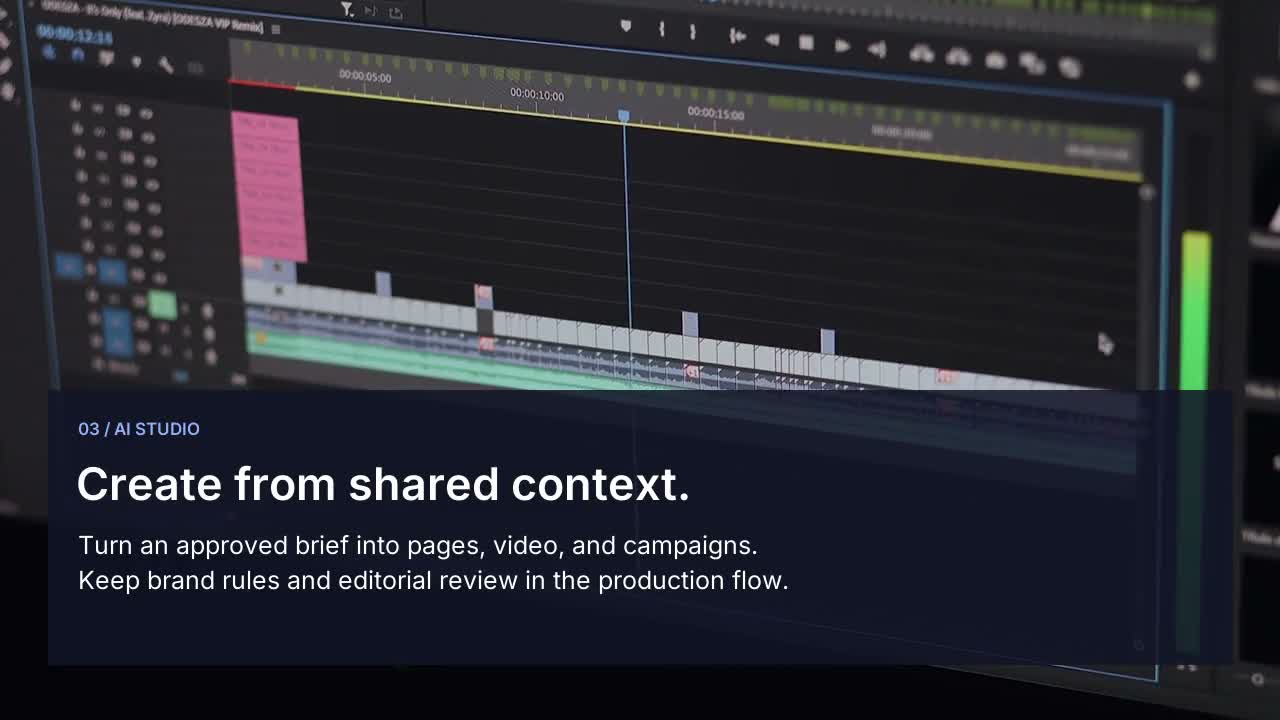
16s · Create from shared context.

Turn an approved brief into pages, video, and campaigns. Keep brand rules and editorial review in the production flow.

How the system connects

How business knowledge becomes useful AI work

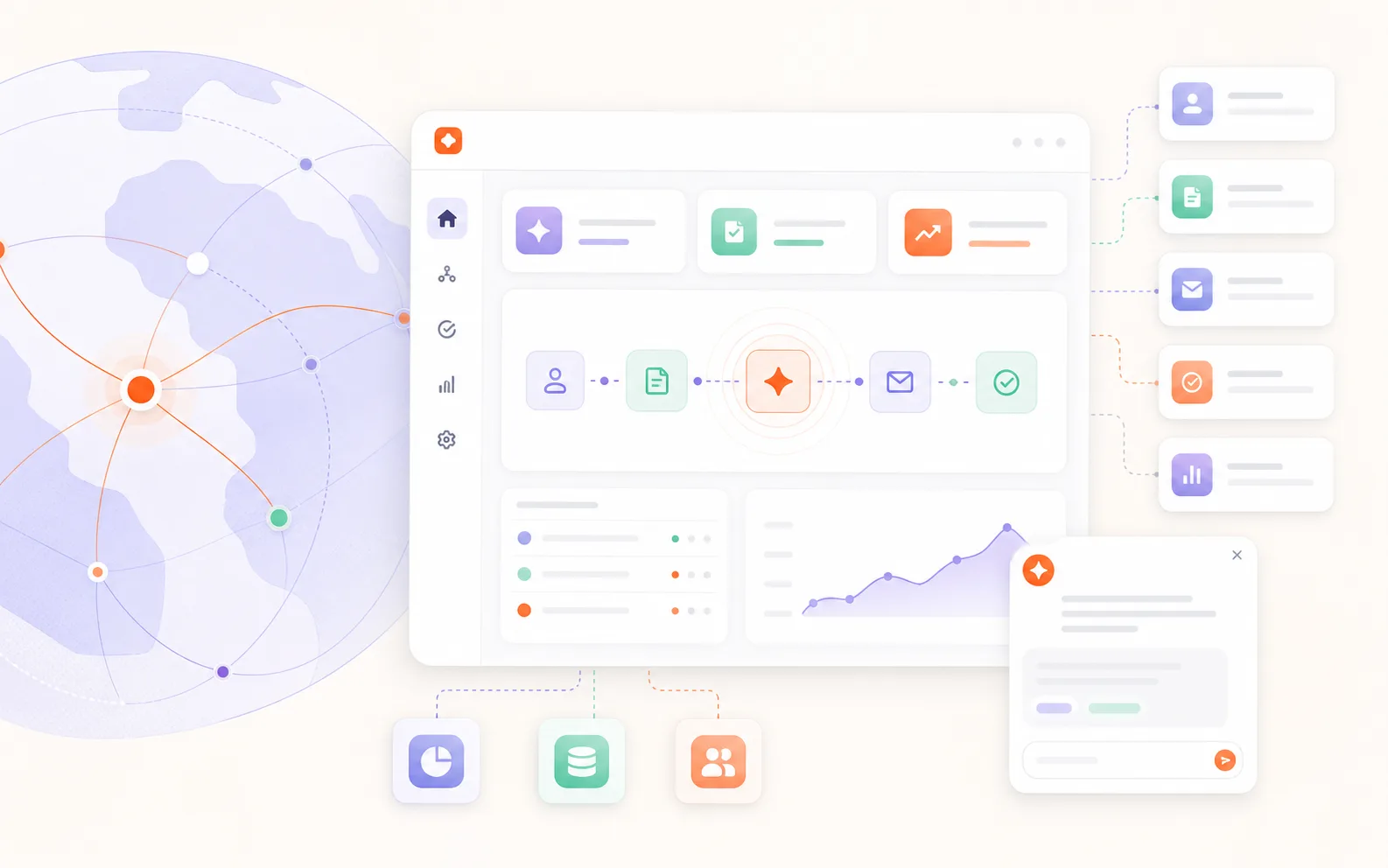
A useful AI workflow starts with a real question. The system finds the right context, applies the rules for the task, and routes an answer or action to the right destination. Infrastructure, GEO, and Studio share that foundation.

1. Start with a clear task

“Answer a customer question using our product documentation” becomes a specific workflow: identify the question, retrieve approved information, prepare a response, and know who can approve it.

2. Retrieve context your team trusts

Your documentation, business records, brand rules, and website facts provide the context. Access rules define which sources each workflow can use and which actions it can take.

3. Connect the output to the next step

An internal answer goes back to the team. A buyer question can become an answer-ready page. An approved brief can become a video or campaign asset. Each output has a destination and a review owner.

What this means for your business: start with one valuable workflow, connect approved sources, and make the review and measurement steps explicit.

Arrow AI connected technology illustration
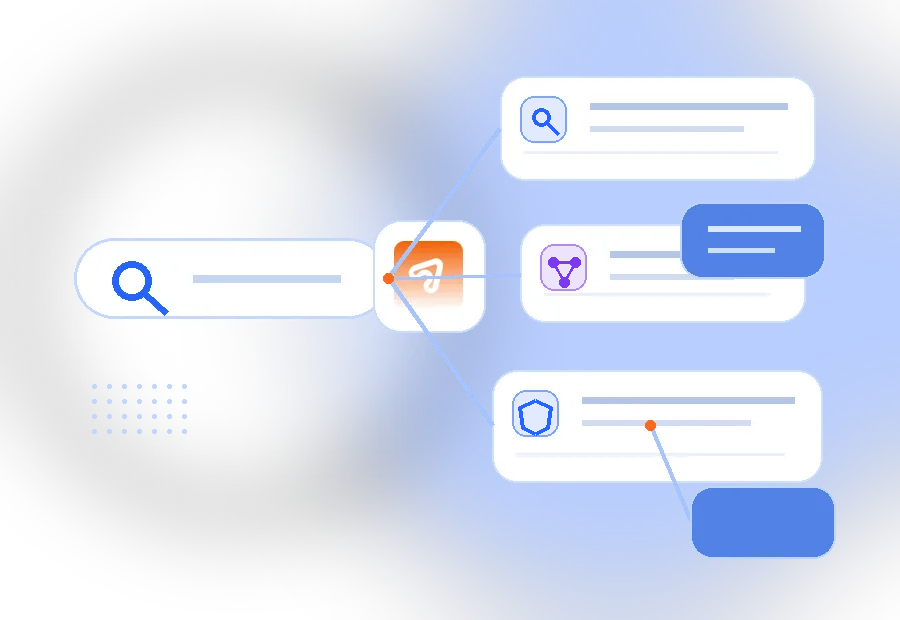
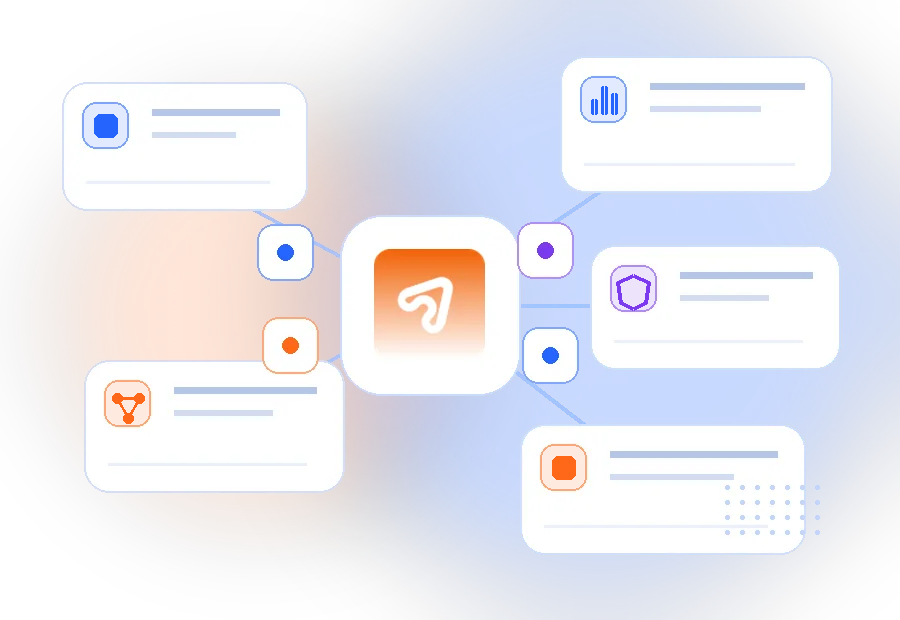
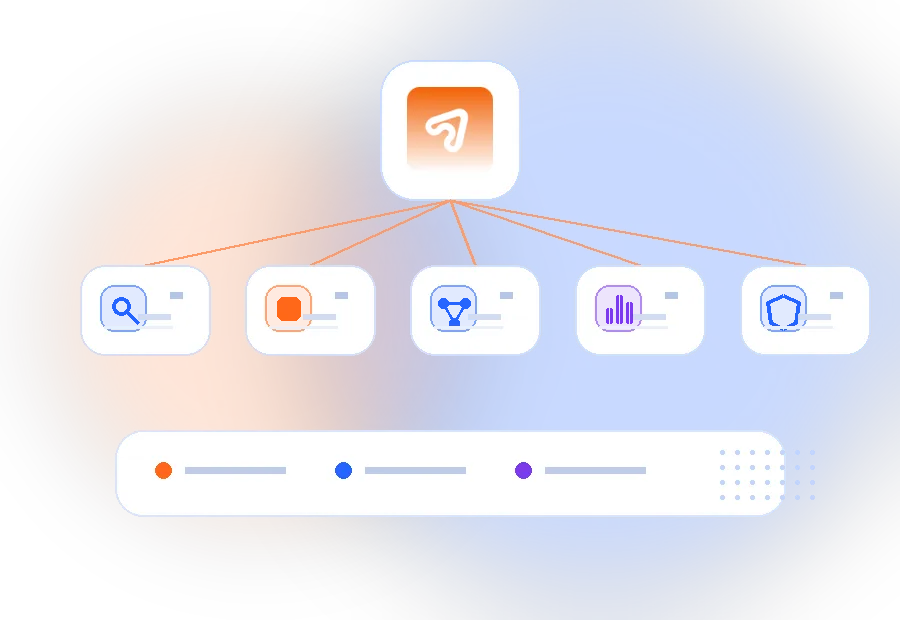
Infrastructure, visibility, and content share the same business context.
Arrow AI connected technology illustration Arrow AI connected technology illustration
Business questions, useful context, and the connected output
Business questionWhat the workflow needsWhat Arrow connectsReview and outcome
How do we connect our business tools to AI?Current tools and available APIs; Approved sources and access rulesA map of systems and sourcesDefined sources, review rules, and a named owner
How can buyers find our company in AI answers?Questions buyers ask before contacting you; Clear company facts and public evidenceA buyer-question mapDefined sources, review rules, and a named owner
How can we produce on-brand videos and campaign content?An approved brief and brand rules; Channel, format, and production needsA reusable creative briefDefined sources, review rules, and a named owner
How can our team find answers in our internal documents?Approved documents and source freshness; Who can read which informationA scoped knowledge retrieval workflowDefined sources, review rules, and a named owner
How can AI prepare customer replies for our team to approve?The incoming request and customer context; Policies and approved response materialA request classification flowDefined sources, review rules, and a named owner
How do we measure whether our AI systems are useful?The workflow baseline and intended outcome; Quality, cost, and failure casesA practical evaluation setDefined sources, review rules, and a named owner
How do we connect our business tools to AI?Current tools and available APIs; Approved sources and access rulesA map of systems and sourcesDefined sources, review rules, and a named owner

Business workflows

Six business needs. One connected foundation.

An operations question needs different context from a campaign brief. Each workflow starts with the task, the sources it needs, and a clear next step.

Arrow AI Infrastructure workflow illustration
Infrastructure

“How do we connect our business tools to AI?”

The workflow needs
Current tools and available APIs; Approved sources and access rules; Where the output should go
Arrow connects
A map of systems and sources; A scoped workflow and integration plan; Review steps, logs, and an owner
Arrow AI GEO workflow illustration
GEO

“How can buyers find our company in AI answers?”

The workflow needs
Questions buyers ask before contacting you; Clear company facts and public evidence; A useful next step on your site
Arrow connects
A buyer-question map; Answer-ready pages and structured data; A repeatable visibility measurement plan
Arrow AI AI Studio workflow illustration
AI Studio

“How can we produce on-brand videos and campaign content?”

The workflow needs
An approved brief and brand rules; Channel, format, and production needs; Who reviews and publishes the work
Arrow connects
A reusable creative brief; Web, video, and campaign variants; A production and approval workflow
Arrow AI Knowledge workflow illustration
Knowledge

“How can our team find answers in our internal documents?”

The workflow needs
Approved documents and source freshness; Who can read which information; What to do when the sources disagree
Arrow connects
A scoped knowledge retrieval workflow; Answers with source references; An escalation route for missing context
Arrow AI Operations workflow illustration
Operations

“How can AI prepare customer replies for our team to approve?”

The workflow needs
The incoming request and customer context; Policies and approved response material; Which replies require human review
Arrow connects
A request classification flow; A source-backed draft for review; A handoff into the team’s existing tools
Arrow AI Measurement workflow illustration
Measurement

“How do we measure whether our AI systems are useful?”

The workflow needs
The workflow baseline and intended outcome; Quality, cost, and failure cases; The evidence needed to review progress
Arrow connects
A practical evaluation set; Workflow and visibility reporting; A prioritized improvement backlog

Why it matters

AI becomes useful when the knowledge, the workflow, and the next action connect. Arrow builds the system around that connection.
Approved knowledge · Connected tools · Clear answers · Useful content · Human review
One foundationCompany facts and approved sources connect the layers.
Three useful outputsInternal work, public visibility, and content production.
Your existing toolsThe workflow ends where your team already works.
A feedback loopQuality and usage inform the next improvement.

What Arrow Tech connects

Connected at the source. Useful at every layer.

Three Arrow systems share one direction: connect what your business knows to the work your business needs.

01 · AI Infrastructure

Connect your knowledge to your workflows

Build the foundation around your sources, integrations, permissions, and review rules. The model works inside a defined process with a clear destination.

  • Approved sources and retrieval
  • Tool and API integrations
  • Model routing and task boundaries
  • Review queues and execution logs
Explore AI Infrastructure →
KnowledgeToolsSourcesPeopleInfrastructure
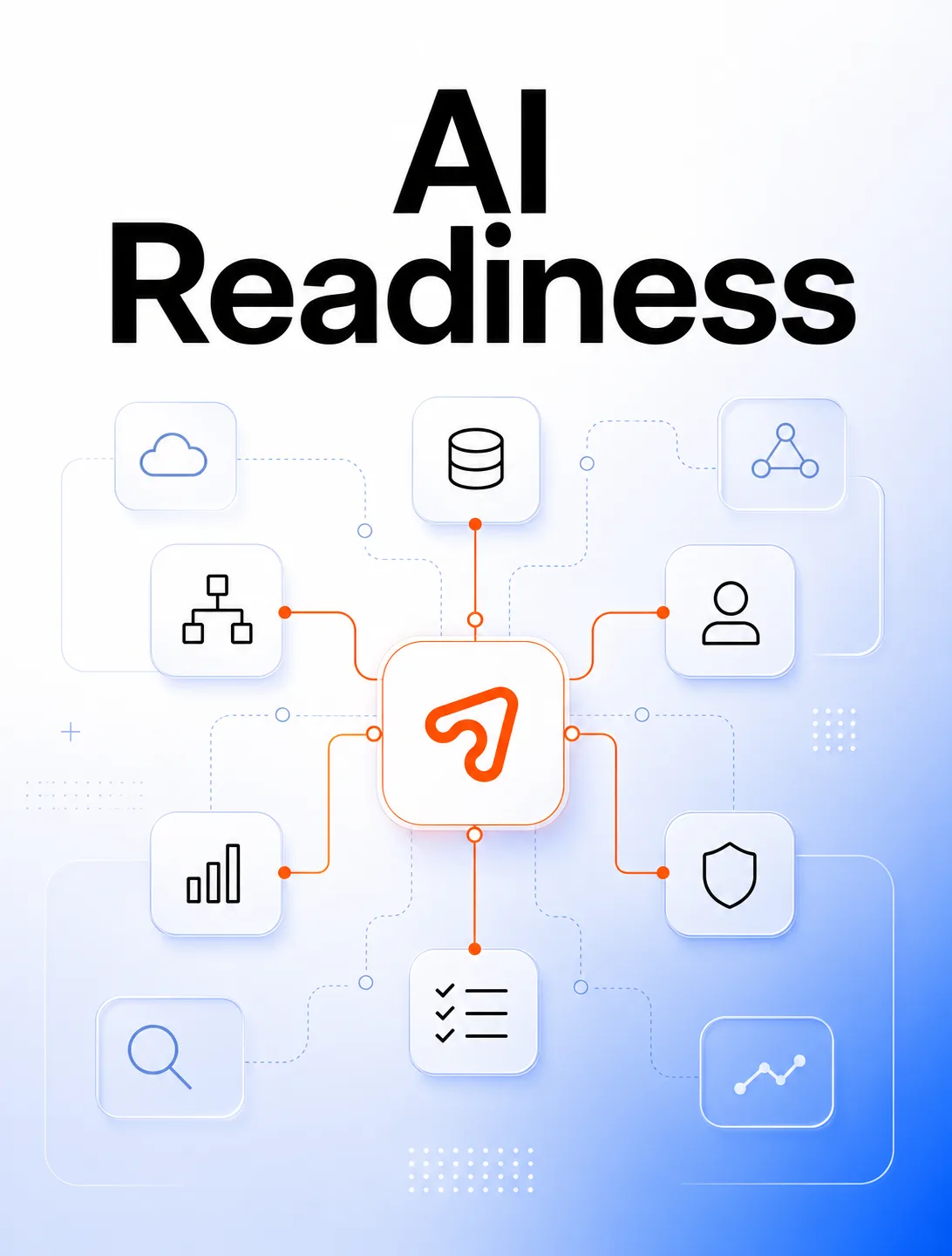
Infrastructure connects Knowledge, Tools, Sources and People.
02 · GEO

Make your expertise easier to discover

Structure company facts, proof, and buyer questions into useful public pages. Monitor how AI platforms cite and describe the business over time.

  • Buyer questions and entity clarity
  • Answer pages for useful search intents
  • Structured data and internal links
  • Citation and referral monitoring
Explore GEO →
arrow / explore
A QUESTION OPENS A POSSIBILITY

What does our business know?

Make expertise easier to find.
Business factsAnswer pagesSource references
Business facts · Answer pages · Source references. An illustrative preview.
03 · AI Studio

Turn approved context into creative output

Produce pages, motion, and campaign assets from a shared brief and your brand rules. Review the work before it reaches your channels.

  • Briefs grounded in business context
  • Web, video, and social variants
  • Reusable formats and brand assets
  • Editorial review before release
Explore AI Studio →
IDEAS INTO USEFUL WORKOne brief. Multiple formats.
WEBWebsite ready for review
FILMFilm prepared for review
SOCIALCampaign variants prepared
Illustrative workflow: Website ready for review, Film prepared for review, Campaign variants prepared.

How it works

From the first business question to a connected system.

Arrow Tech connected workflow: sources, assistance, review, and useful output
01 — Map

Understand the current workflow

Identify the question, the people involved, the tools in use, and the outcome worth improving.

02 — Sources

Choose the business context

Select approved documents, business facts, and records. Define who owns them and how they stay current.

03 — Connect

Build the path between tools

Connect the sources and destinations the workflow needs, within available APIs and access rules.

04 — Review

Put approval in the process

Define where the system can assist, where it can act, and which outputs need a person’s decision.

05 — Evaluate

Test the workflow on real cases

Review useful examples and failure cases before launch. Measure quality, reliability, and the intended business outcome.

06 — Improve

Keep the system useful

Update sources, review what changed, and improve the workflow as your business and tools evolve.

What we promise — and what we don't

Clear about what the technology does.

Defined scope

Start with a useful workflow

Sources, integrations, outputs, and review steps are scoped before implementation. The examples here explain the approach.

Approved context

Keep the facts grounded

The system works from selected information. Missing or conflicting context needs a clear escalation path.

Human review

Your team owns the decisions

Approval rules cover the outputs and actions that matter to the business. Named owners handle exceptions.

Measured progress

Use evidence to improve

Assess workflow quality and usage alongside visibility and content outcomes. AI recommendations are never guaranteed.

Glossary

The words behind connected AI

AI Infrastructure
The sources, permissions, integrations, orchestration, and evaluation around a model.
GEO
Generative Engine Optimization: making public business facts clear and useful for AI answer systems.
AI Studio
A production workflow for brand content, pages, video, and campaign assets.
Retrieval
Finding relevant information in approved sources to support a specific task.
Orchestration
The rules that connect model calls, tools, review steps, and destinations.
Structured data
Machine-readable labels that help search engines interpret the facts on a page.
Evaluation
Checking a workflow against useful examples, expected outcomes, and failure cases.
Human review
A defined step where a person checks or authorizes an output or action.

Keep reading

Technology guides from Arrow

Practical reading on AI infrastructure, business knowledge, connected workflows, and the public information that helps AI understand your company.

Keep exploring the Arrow system

FAQ

Arrow Tech, answered

What is Arrow Tech?
Arrow Tech explains the technology layer behind Arrow AI: infrastructure for connected workflows, GEO for public visibility, and Studio for content production.
How do Infrastructure, GEO, and Studio work together?
They share approved business knowledge. Infrastructure supports workflows, GEO structures public answers, and Studio develops content from the same context.
Can we keep our existing tools?
Yes. Work begins with your current sources, tools, and processes. The integration scope depends on available APIs, access, and data quality.
Which AI models does Arrow work with?
The existing Arrow technology approach is model-agnostic. The provider and model are selected for the task, accuracy, latency, cost, and data requirements.
Does GEO guarantee AI recommendations?
No. AI platforms determine which sources to cite. GEO improves the clarity and discoverability of your information, and results are measured over time.
Does this replace our team?
The workflow supports your team. Review responsibilities and approval rules are defined around the actions and outputs that need human judgment.
Do we need to rebuild our website?
Often the work can build on your existing website and tools. Any new pages, systems, or integrations are defined in the scoped plan.
How is our internal knowledge handled?
A project identifies the approved sources, access rules, and intended destinations before connecting them. Public content and internal context have separate publishing rules.
What do we need to get started?
A clear workflow, the tools involved, sample inputs and outputs, and the business knowledge your team has approved.
How is progress measured?
The measures follow the use case: workflow quality and reliability, useful output, content approval and usage, plus visibility, citations, and referrals where relevant.

Get started

Connect the technology behind your next move.

Start with your tools, your business knowledge, and one useful workflow. The plan is scoped before any build.

Free audit → scoped plan → build. No commitment before the plan.