 Arrow
Arrow To get cited by ChatGPT, a brand has to be easy for AI systems to understand, verify, and quote: one clear entity, pages shaped like answers, proof engines can point to, structured data underneath, and citation tracking to measure progress. That discipline is GEO — Generative Engine Optimization.
When someone asks ChatGPT for "the best option for X", the engine does not scan ten blue links. It composes one answer and cites the handful of brands it can describe with confidence. If your company is ambiguous, unverifiable, or invisible to the model's retrieval, it simply is not in the answer.
The good news: citeability is buildable. It rests on three foundations — entity clarity, answer-shaped pages, and verifiable proof — plus the tracking to know whether it works.
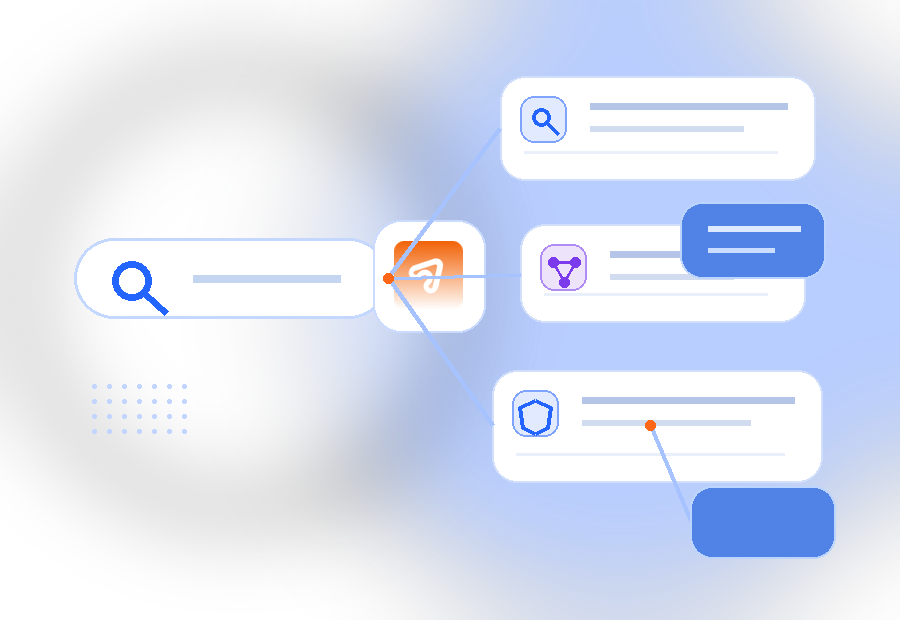 01 / Entity
One clear identity
Same name, same description, same offers everywhere — your site, LinkedIn, directories, and schema all telling one story.
 02 / Answers
Pages shaped like answers
Direct answers first, then structure: FAQs, comparisons, schema, and internal links that match how engines retrieve.
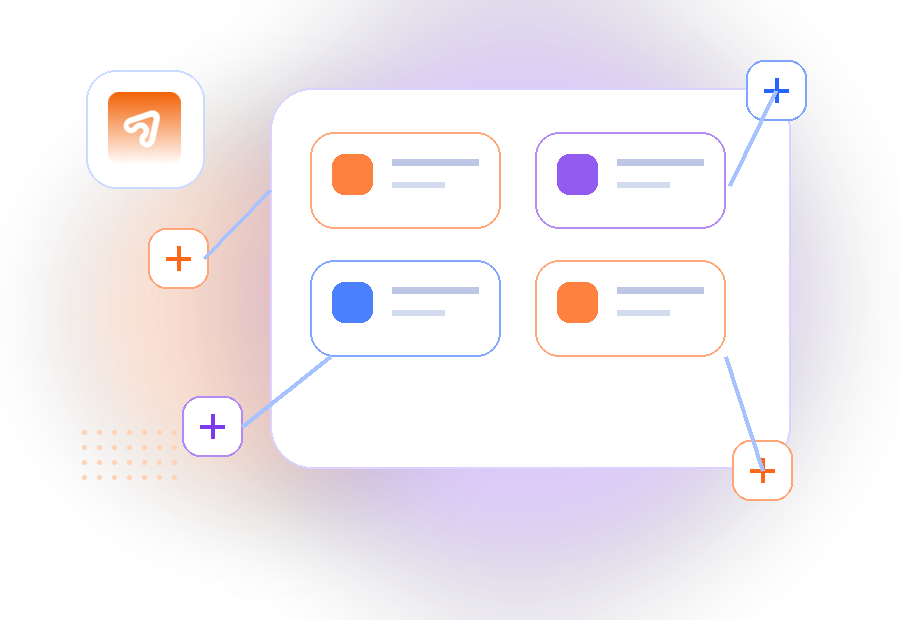 03 / Proof
Evidence engines can cite
Case studies with numbers, reviews, third-party mentions, and consistent facts an AI system can verify before quoting you.
Step 1 — Make your brand one clear entity
AI engines resolve brands into entities. If your website says one thing, your LinkedIn another, and directories a third, the model hedges — and hedging brands do not get cited. Entity clarity means one canonical name, one description of what you do, and consistent facts everywhere the engine looks.
In practice: align your homepage, about page, social profiles, and Organization schema. Disambiguate from similarly-named companies explicitly. Keep offers, pricing, and locations identical across every surface.
Step 2 — Publish answer-shaped pages
Engines retrieve passages, not pages. A page that opens with a direct answer to a real customer question — then supports it with headings, FAQs, comparison tables, and schema — gives the model a quotable block. A page that buries the answer under storytelling does not.
Map the questions buyers actually ask AI ("best X for Y", "X vs Y", "how much does X cost") and give each one a page whose first paragraph could be pasted into the answer verbatim.
Step 3 — Give engines proof they can cite
Models are calibrated to avoid unverifiable claims. Case studies with real numbers, named clients, third-party reviews, and press or directory mentions all raise the confidence score of citing you. Self-praise without evidence lowers it.
Publish proof in crawlable HTML — not only in PDFs or images — and link it from the pages that answer buying questions, so retrieval finds the claim and its evidence together.
Operating principle
Measure citations, not rankings.
The metric that matters is no longer your position in a list — it is whether the generated answer names you. Track the questions your buyers ask across ChatGPT, Gemini, Perplexity, Claude, and AI Overviews, record whether you are mentioned, cited, or recommended, and iterate monthly. That loop is what turns GEO from a project into a system.