 Arrow
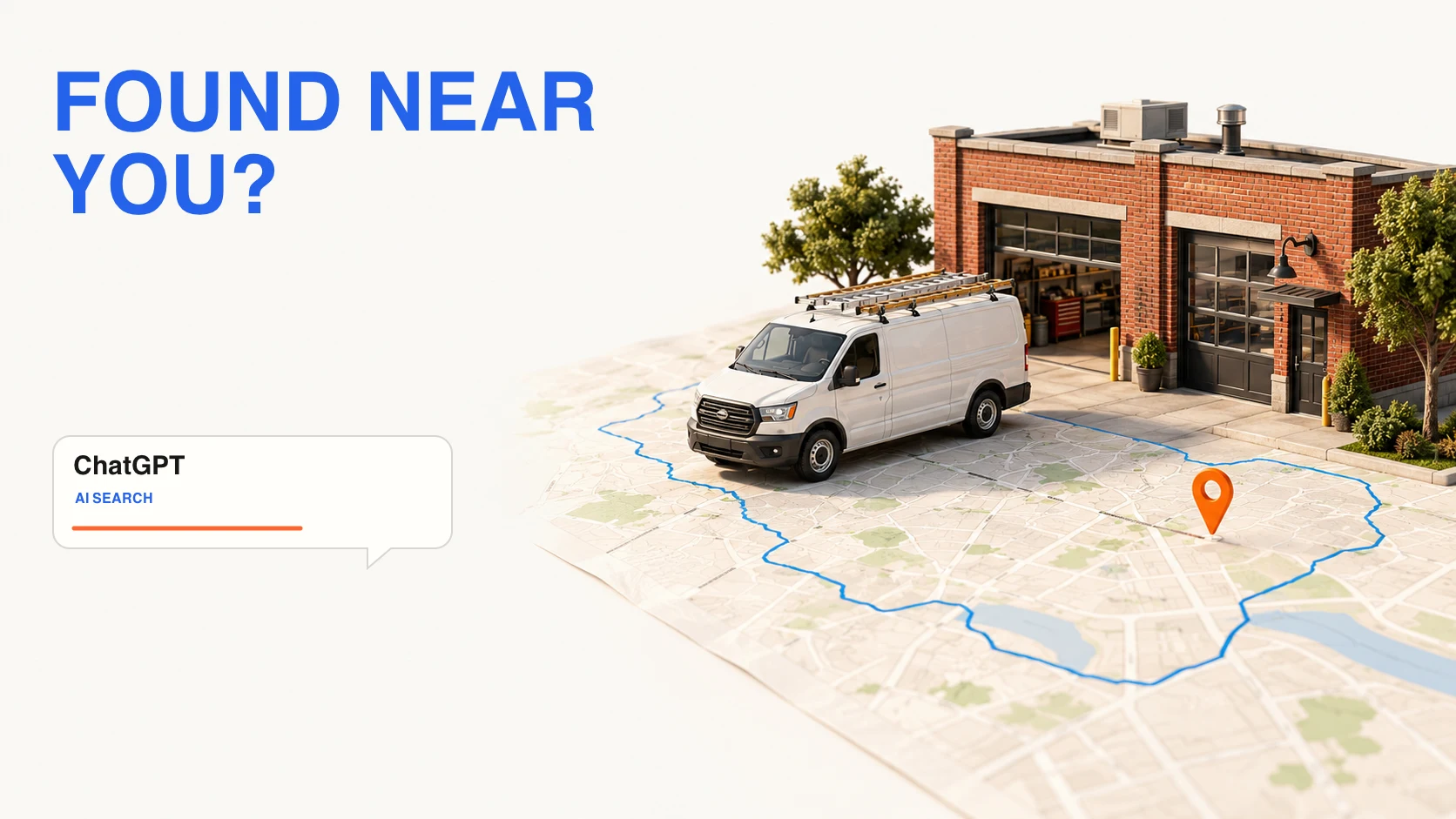
Make the real business, service coverage and next step clear. Answer a customer’s practical question about the job before asking them to request a quote.
State the service you actually provide.
A customer looking for a repair needs to know whether you handle their type of job. Describe the work, relevant exclusions and the information needed to assess it. Do not hide every useful condition behind a contact form.
For a fictional appliance repair company, the page could explain supported appliance types and the process for checking a model. It should not claim every brand or emergency availability unless the operation can deliver that service.
Help the customer qualify the job.
- 01JobIs this service offered?
- 02AreaIs this location covered?
- 03TermsWhat needs checking?
- 04EnquireSend the useful details.
Describe coverage without inventing locations.
List the actual areas you serve and explain relevant travel or access conditions. A service-area business should not imply a staffed office in every target town. Google’s business representation guidance provides a reference for an accurate public profile.
Google describes local results in terms of relevance, distance and prominence. That is guidance for Google’s local results, not a universal formula for ChatGPT or another AI surface. Keep platform-specific claims attached to their source.
A local recommendation needs the right facts.
Identity
Name and actual contact.
Coverage
Areas genuinely served.
Booking
Conditions and next step.
Answer the question that delays the booking.
A customer may need to understand call-out fees, access requirements, appointment windows or quote conditions. Publish the actual policy in the relevant service page. A broad promise of affordable, reliable service leaves those decisions unresolved.
Use a fictional enquiry to test clarity: can the reader tell what information to send, when they should expect a response and whether a quote is confirmed? Avoid response-time promises that your team has not approved.
Would a customer know what to send?
“We do it all. Call now.”
No job scope or coverage.
Explain the supported work and actual area.
Ask for the details needed to assess the request.
Keep the business facts aligned.
Review the business name, contact route, service areas and hours across owned pages and the profiles you control. When a fact changes, update its primary source and the relevant profiles rather than adding a new article with a competing version.
Use real photographs to explain the team, premises or type of work when suitable. Describe the actual image in the alternative text. A stock van is not proof of a local office or a specific qualification.
Check the quality of the next enquiry.
Record a small set of realistic local questions and observe dated answers from the surfaces that matter to your customers. Inspect the service and geography described, not just whether your name appears.
Keep enquiries and bookings in a separate record. Ask how the customer found you where appropriate, compare that with available referral evidence and preserve unknowns. See our attribution guide before assigning revenue to a mention.
Sources and editorial scope
This is Arrow AI editorial guidance. Diagrams and examples illustrate a method, not client results or platform ranking factors. Clear information and source access do not guarantee a recommendation. Platform-specific facts are attributed to the sources below.
- Google Business Profile: Tips to improve your local ranking
- Google: Guidelines for representing your business
The Arrow read
Make the next decision clearer.
See what your customers can understand today, then improve the source or workflow that answers their next question. Start with a free GEO audit.