 Arrow
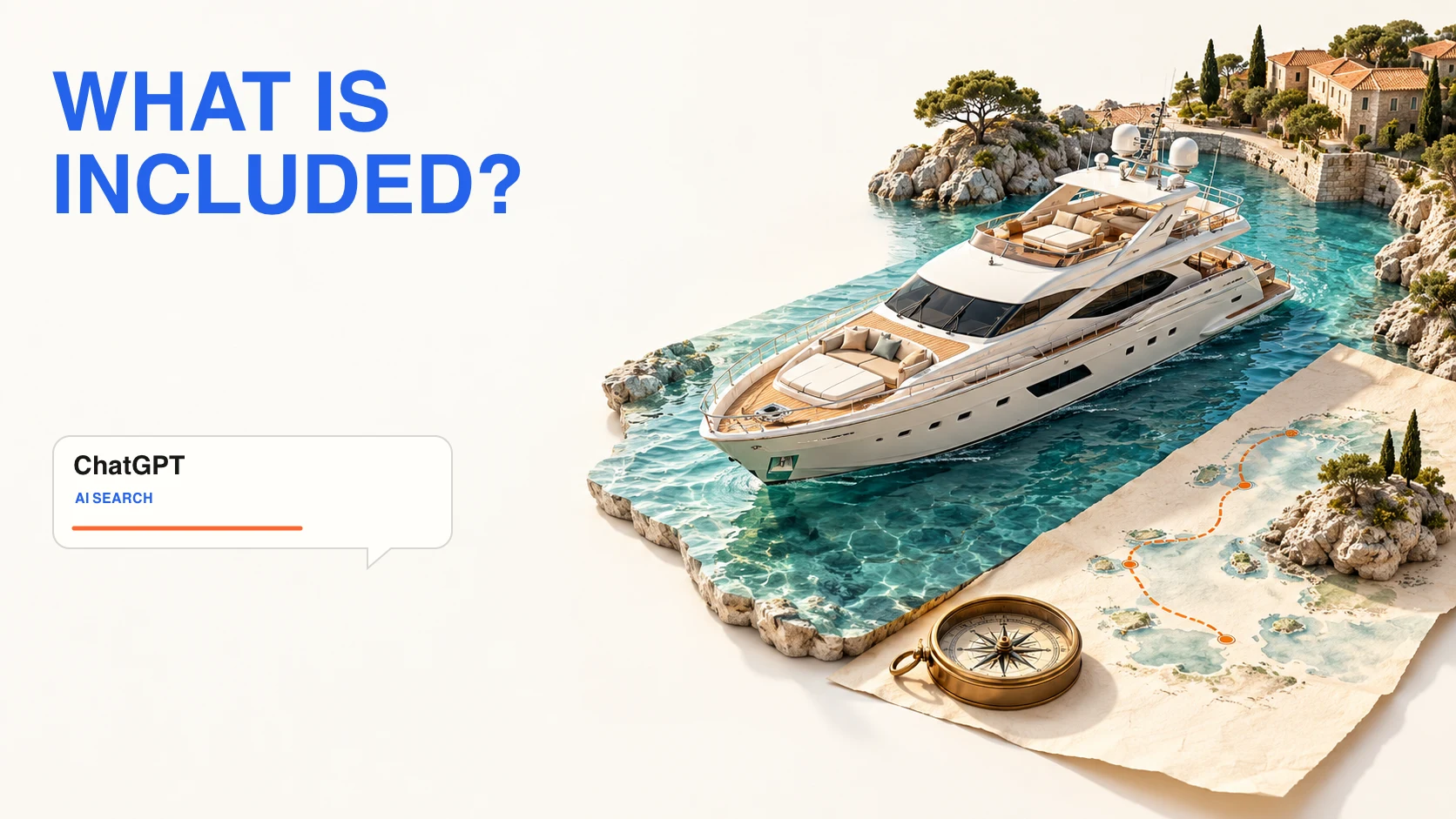
A clear charter page distinguishes the base offer from variable expenses and conditions. Ask the broker to confirm the actual agreement, taxes, APA arrangements, itinerary and final availability for the proposed dates.
Make the advertised offer understandable.
A buyer needs the yacht, dates, guest capacity, operating area and charter terms before comparing offers. An attractive weekly fee without the relevant conditions is an incomplete comparison. State the currency and relevant period when publishing a rate.
Keep an enquiry route to a current quote. A general guide can explain the questions to ask, but it cannot establish a particular yacht’s live availability or the final cost of an itinerary.
Four checks before comparing charter quotes.
- 01OfferYacht, dates and guests.
- 02InclusionsWhat does the fee cover?
- 03ExpensesWhat advance applies?
- 04ConfirmAgreement and live quote.
Explain APA without turning it into a universal fee.
Where used, an Advance Provisioning Allowance funds operating expenses under the charter arrangements. MYBA’s crew guidance discusses expenditure records and accounting to the charterer. Explain that purpose in ordinary language and direct buyers to the terms of their actual agreement.
Do not publish one percentage as if it applies to every charter. The required advance, included expenses, reconciliation and additional payment or refund arrangements depend on the quote and agreement. A broker should explain those conditions for the proposed booking.
The headline fee is only one question.
Charter
Rate period and inclusions.
APA
Purpose and actual arrangements.
Itinerary
Assumptions affecting expenses.
Connect the itinerary to the question about cost.
A fictional buyer comparing two itineraries should ask how cruising plans, provisioning and port choices affect the expense estimate. A list of destinations alone does not explain the assumptions behind the quote.
The example below is a quote checklist without fabricated prices. It helps the buyer request comparable information. It is not a cost estimate, contract interpretation or a recommendation to book a particular yacht.
Ask for a comparable quote.
“What is the cheapest week?”
No dates, itinerary or expense assumptions.
Give dates, guests and intended cruising area.
Ask for inclusions, taxes, APA and reconciliation terms.
Publish the useful conditions in readable text.
Provide an accessible overview of guest limits, yacht features, cruising area and quote inclusions. Keep the complete agreement and current quote as the sources for binding terms. Link to the responsible broker instead of presenting an article as a booking confirmation.
Use actual yacht photographs with alternatives identifying the vessel or feature shown when verified. An illustrative cover should be labelled as an illustration. A generated yacht cannot prove a real vessel has a particular cabin, deck layout or water toy.
Measure whether enquiries arrive with better questions.
Observe the answers to practical charter questions and record which sources are cited. Check whether the explanation correctly distinguishes fee, expenses and booking conditions. A prominent mention with the wrong inclusions is a problem to correct.
Review enquiry quality separately: requested dates, guests, itinerary and budget assumptions. Do not infer booking revenue from an answer mention. For wider public-information work, see how to explain prices and exclusions clearly.
Sources and editorial scope
This is Arrow AI editorial guidance. Diagrams and examples illustrate a method, not client results or platform ranking factors. Clear information and source access do not guarantee a recommendation. Platform-specific facts are attributed to the sources below.
The Arrow read
Make the next decision clearer.
See what your customers can understand today, then improve the source or workflow that answers their next question. Start with a free GEO audit.