
Arrow AI
Free See how AI engines talk about your brand Run the free audit →

Arrow AI for hotels Every stay starts with a question. Make sure the answer is your hotel.

Free See how AI describes your hotel today →

Guests don't search for hotels anymore. They ask.

Ask in the box over the film, or pick a question below. See what an AI engine weighs before it names a hotel — and what Arrow publishes so the answer can be yours.

At a glance · Updated

What Arrow AI does for hotels

Arrow AI helps hotels get named, cited and described correctly when travelers ask ChatGPT, Gemini, Perplexity, Claude, Copilot or Google AI Overviews where to stay — then turns those guest questions into direct-booking and group inquiries.

Who it is for
Independent hotels, hotel groups and resorts — owners, general managers, and revenue, sales and marketing teams.
What changes
Official facts stated plainly and kept the same on your site, Google Business Profile and OTA listings, plus one answer page per guest intent.
Where guests land
Your booking engine for rates and availability; your sales team for groups, weddings and RFPs.
How it is measured
A fixed set of guest prompts, re-run across six AI engines and reported over time. No guaranteed rankings.
Arrow AI: The guest asks. The engine shortlists. A family hotel near the parks?; Facts, fees, reviews; A short list of hotels; Your booking engine. Illustrative editorial sequence.

How AI chooses

How AI engines choose a hotel to recommend

When a traveler asks an assistant where to stay, the engine turns the question into needs — location, dates, party, budget, amenities — then looks for sources that answer them clearly. Engines that search the web, such as ChatGPT search, Perplexity and Google AI Overviews, read pages, listings and reviews before writing an answer.

1. It reads the question as a list of needs

“Family hotel near the parks with breakfast under $200” becomes four checks: location, room fit, inclusions and price. A page that only promises “luxury and comfort” answers none of them.

2. It compares facts it can verify

Your website, Google Business Profile, OTA listings and reviews are read side by side. When they disagree — a pet fee on one, “no pets” on another — the engine hedges, or names a property whose facts are cleaner.

3. It names a short list and links its sources

Answers usually name a few properties with reasons and links. Being cited depends on a page that states the answer plainly; being booked depends on that link leading to your booking engine rather than an OTA.

What this means for a hotel: publish one clear page per guest intent, keep every fact identical across your site and listings, and measure the same guest prompts over time.

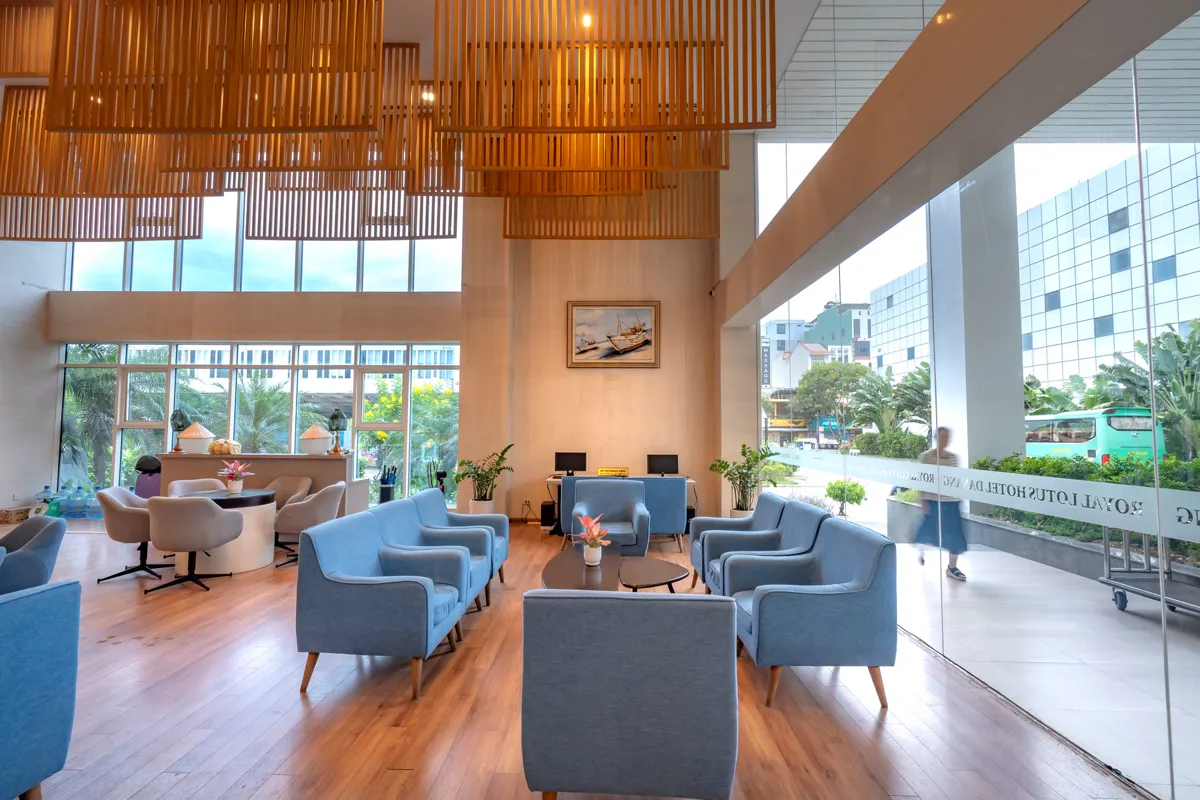
A bright hotel lobby with blue armchairs, a slatted timber ceiling and floor-to-ceiling windows
Guests ask about the whole stay — arrival, rooms, amenities — before they ever see the lobby.
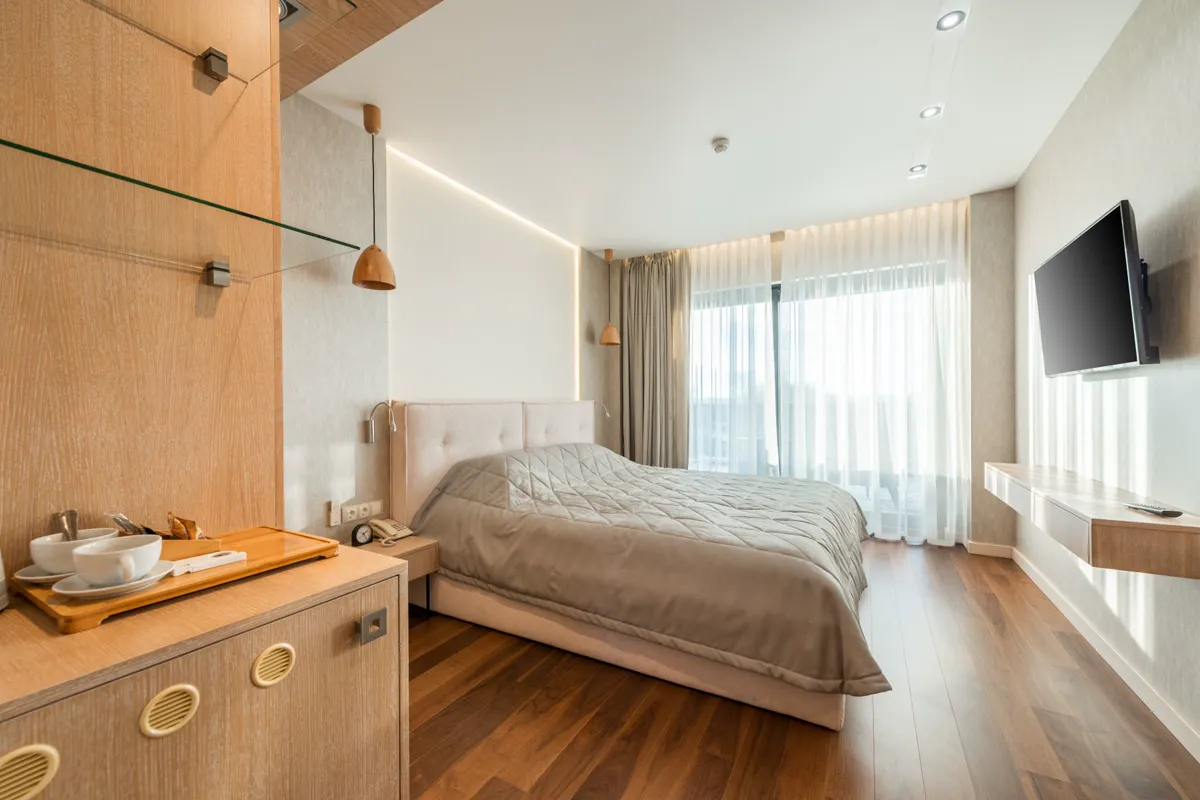
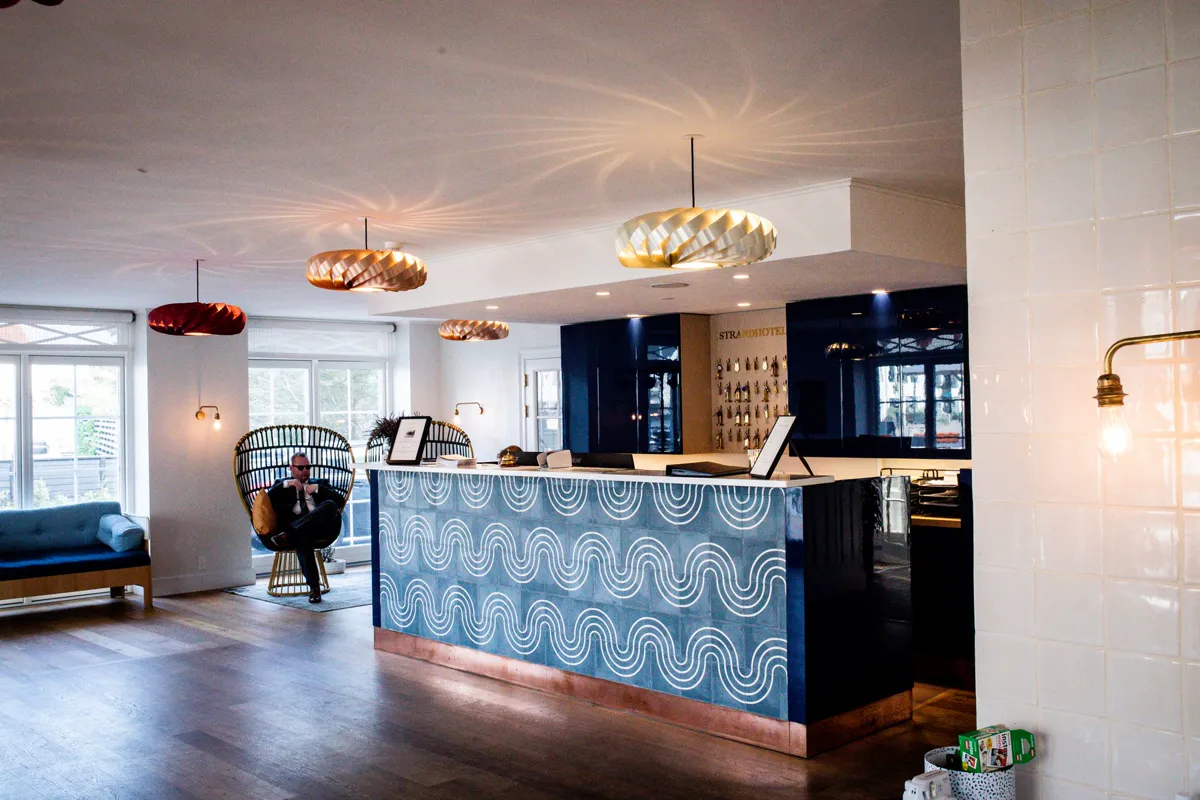
A hotel room with a double bed, wooden floor and a wall-mounted TV A hotel reception desk with a patterned blue front under copper pendant lights
What guests ask, what engines need, and what a hotel should publish
Guest questionWhat the engine needsPage to publishStructured data
“Family hotel near the parks with breakfast”Room occupancy, breakfast inclusions, distance to the parksFamily stays pageHotel, amenityFeature, FAQPage
“Quiet hotel near the convention center”Travel times, Wi-Fi, check-in and check-out rulesStaying-for-work pageHotel with checkinTime / checkoutTime, FAQPage
“Hotel for a 120-person offsite”Capacity by room and layout, AV, room-block termsMeetings & events pageEventVenue, FAQPage
“Wedding venue with a garden ceremony”Ceremony and reception capacity, seasons, guest room blocksWeddings pageEventVenue, ImageObject, FAQPage
“Pet-friendly hotel with parking”Weight limits, pet fees, parking rulesPet policy pageHotel with petsAllowed, FAQPage
“Accessible room with a roll-in shower”Precise accessible features, step-free routesAccessibility pageHotel, amenityFeature
“Is breakfast included? Is there a resort fee?”Every nightly fee and inclusion, stated onceFees & inclusions FAQFAQPage

Guest intents

Six kinds of guest. Six different answers.

An engine answers a family differently from a meeting planner. Each intent needs its own facts, stated plainly, on a page the engine can read and cite.

A father and his two children packing clothes for a family trip
Families

“Family hotel near Disney World with a pool and free breakfast, under $200 a night”

The engine needs
Rooms that sleep four, what breakfast includes, pool hours, parking, and every nightly fee — resort fees included.
Arrow publishes
A family stays page with room sizes and beds, a fees-and-inclusions FAQ, and amenity hours kept in sync across listings.

A traveler working on a laptop on the floor beside an open suitcase
Business travel

“Quiet hotel near the convention center with fast Wi-Fi and early check-in”

The engine needs
Real distances and transit times, workspace and Wi-Fi details, check-in rules, and a corporate rate path.
Arrow publishes
A staying-for-work page with travel times, a business amenities FAQ, and a corporate inquiry route.
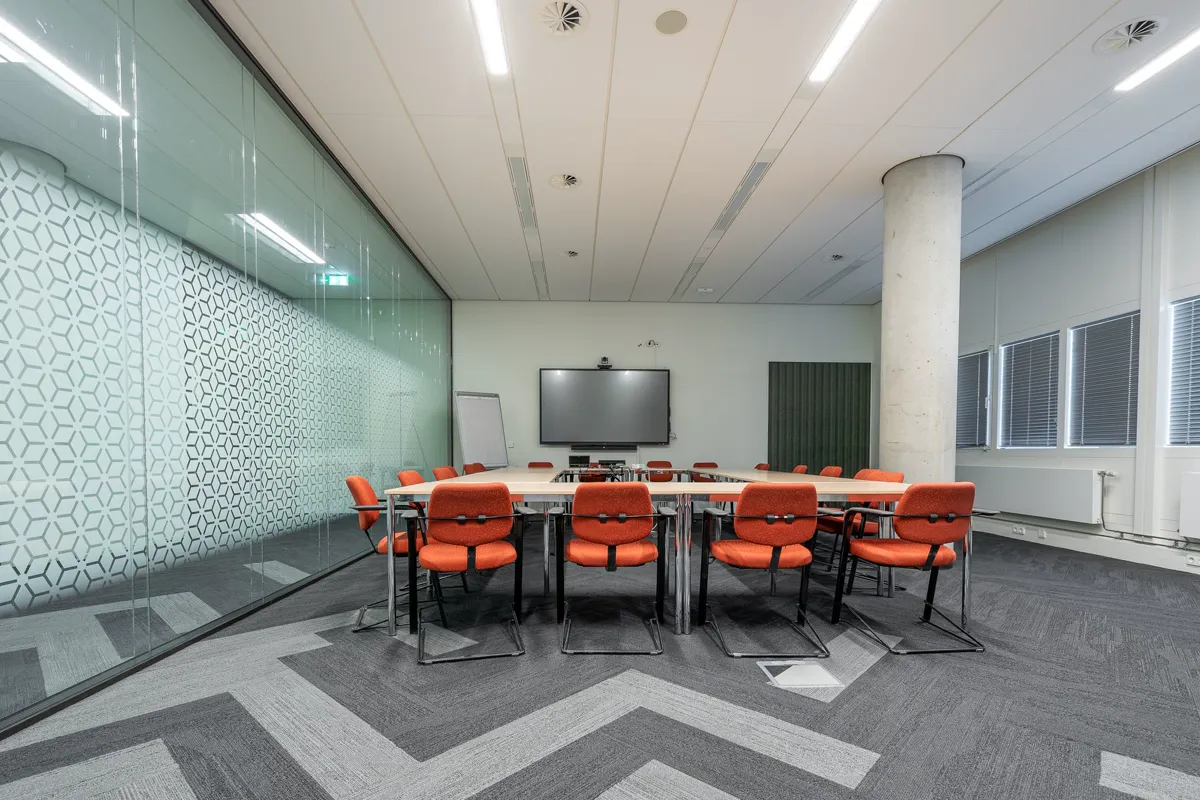
A meeting room set with a long table, orange chairs and a presentation screen
Groups & events

“Hotel for a 120-person offsite with meeting rooms and a room block”

The engine needs
Capacity by room and layout, AV and catering, room-block terms, and a clear planner contact path.
Arrow publishes
Meeting space pages with capacities, a room-block FAQ, and an RFP intake that briefs your sales team.
A long wedding reception table set on a lawn under string lights
Weddings

“Boutique hotel for a wedding of 80 guests with a garden ceremony”

The engine needs
Ceremony and reception capacity, seasons and rain plans, guest room blocks, and who coordinates.
Arrow publishes
A weddings page with spaces and seasons, a guest room-block FAQ, and an inquiry routed to your events team.
Rolled white towels, flowers and incense set out for a spa treatment
Wellness

“Adults-only spa hotel for a quiet wellness weekend”

The engine needs
Spa treatments and hours, adults-only areas, fitness and dining details, and which rooms are quiet.
Arrow publishes
A spa and wellness page, a treatment FAQ, and package pages with what is included.
A small white dog resting on a bed
Pets & access

“Pet-friendly hotel downtown with parking for a 60 lb dog”

The engine needs
Pet weight limits, fees and pet areas; parking rules; accessible room features stated precisely.
Arrow publishes
Pet and accessibility policy pages, with the same facts on your site, Business Profile and OTAs.

Why it matters

The shortlist is written before the guest reaches your website. Arrow makes sure your hotel's real facts are in it.
Rooms · amenities · policies · location · reviews
Official facts firstYour site becomes the source engines can quote.
One page per intentFamilies, work trips, groups, weddings, wellness.
Direct-booking handoffRates and availability stay in your booking engine.
Measured, not promisedA fixed set of guest prompts, tracked across engines.

What Arrow builds for hotels

Found in the answer. Booked direct.

Three Arrow systems, one property: visibility in AI answers, an inquiry desk that never sleeps, and content that keeps every season's facts current.

01 · GEO

Be the hotel AI recommends

Arrow structures your property's facts and publishes an answer page for each guest intent, so engines can understand, cite and recommend you — with your official site as the source.

  • Guest-prompt audit across six AI engines
  • Answer pages for rooms, amenities, neighborhoods and policies
  • Hotel, amenityFeature and FAQ structured data
  • The same facts on your site, Business Profile and OTAs
Explore GEO →
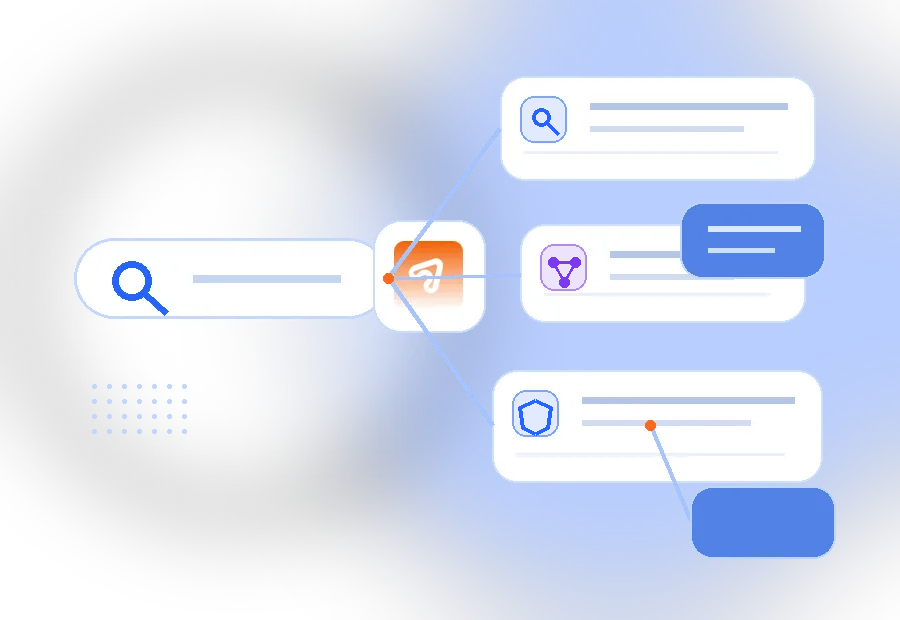
Arrow AI illustration: a search query routed through Arrow to a set of answer cards
02 · AI Systems

Turn guest questions into direct inquiries

A guest assistant and inquiry desk built on facts your team approves. It answers around the clock, hands booking to your booking engine, and briefs sales on groups and events.

  • Answers 24/7, in the guest's language
  • Rates and availability handed to your booking engine
  • Group, wedding and RFP briefs routed to your CRM
  • Human approval before anything is promised
Explore AI Systems →
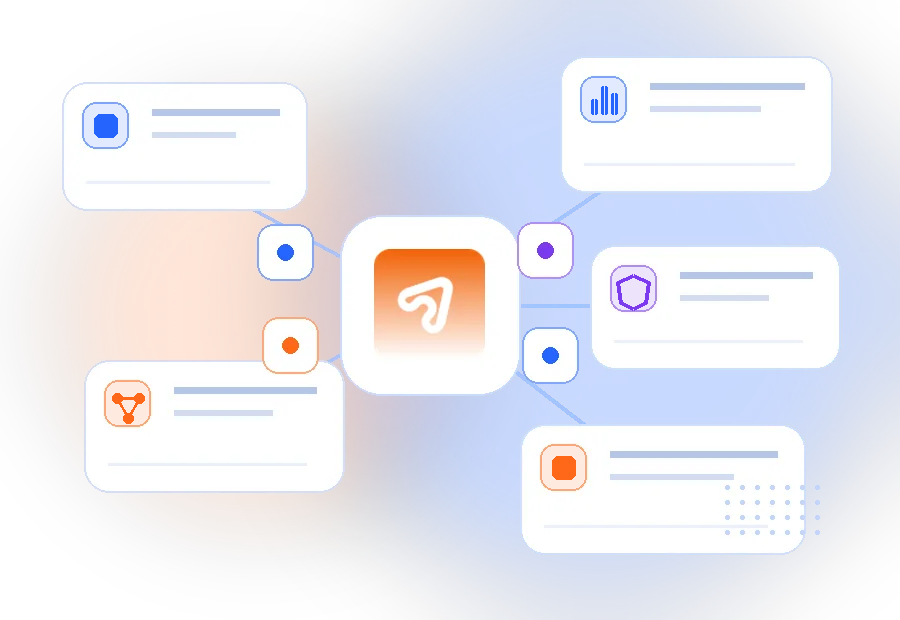
Arrow AI illustration: connected cards linked through a central Arrow hub
03 · AI Studio

Keep every season's facts fresh

Seasonal offers, local guides, event pages and campaign assets produced as a system — so new facts reach your site and listings before guests start asking about them.

  • Seasonal offer and event pages
  • Local guides around the property
  • Ad and social variants, on brand
  • Listing descriptions kept in sync
Explore AI Studio →
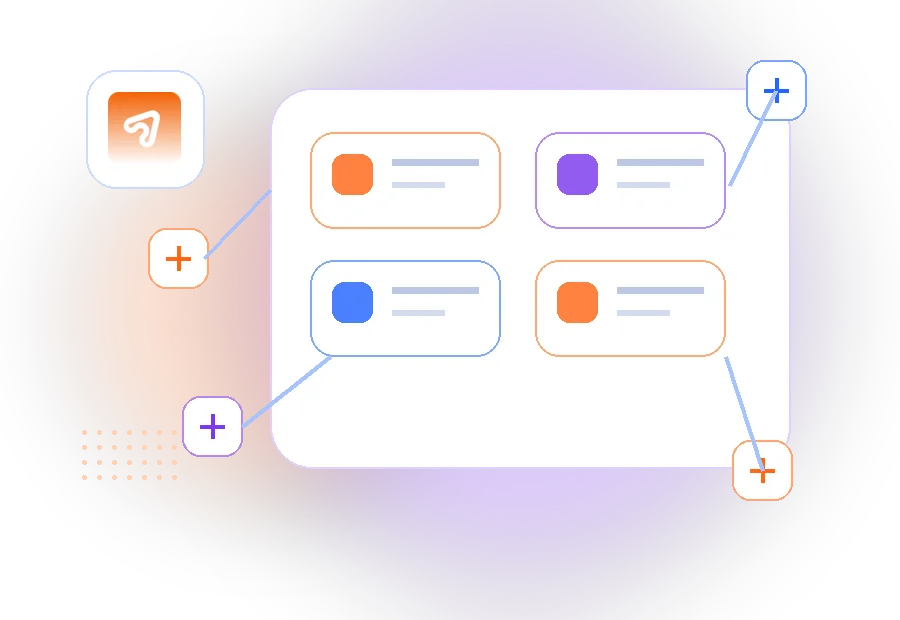
Arrow AI illustration: a grid of content blocks produced from one Arrow system

How it works

From the guest's first question to a direct booking.

Arrow AI: Fix the facts. Then measure. The answers guests see; One version, everywhere; One per guest intent; Same prompts, over time. Illustrative editorial sequence.
01 — Audit

Read the answers guests see

We run a fixed set of guest questions across ChatGPT, Gemini, Perplexity, Claude, Copilot and Google AI Overviews, and record how each one describes your property.

02 — Facts

Fix the facts at the source

Rooms, occupancy, fees, parking, pets, accessibility and policies — stated once, plainly, and kept the same on your site, Business Profile and OTA listings.

03 — Pages

Publish one page per intent

Families, work trips, groups and events, weddings, wellness. Each page answers the questions that decide that stay, with structured data an engine can parse.

04 — Handoff

Connect the inquiry path

On-site answers hand rates and availability to your booking engine, and route groups, weddings and RFPs to your sales team with a usable brief.

05 — Measure

Track the same prompts over time

The prompt set is re-run on a schedule. You see where the hotel is named, cited, described wrongly or left out — and what changed since last time.

06 — Refresh

Update before every season

New offers, events and amenity changes go to the source first, so AI answers stop repeating last season's hours, prices and policies.

What we promise — and what we don't

Clear about what AI visibility can do.

No guaranteed rankings

Answers vary — we measure them

AI answers change with the engine, the wording, the guest's location and the day. We track a fixed prompt set over time and report what moved, never a promised position.

Source of truth

Your booking engine sets the price

Rates, availability and confirmations come from your booking engine and PMS. Arrow's assistants hand off to them; they never invent a price or confirm a room.

Human review

People approve commitments

Group rates, contracts, refunds and VIP requests go to your team before anything is promised. Every conversation is logged where your team already works.

Approved facts only

Nothing invented about your property

Pages and answers are built from facts your team signs off. The examples on this page are illustrative, not client results.

Glossary

The words behind hotel AI visibility

GEO Generative Engine Optimization
Making a business's facts and pages clear and consistent enough that AI engines can understand, cite and recommend it.
AI Overviews
Google's AI-written summaries shown above search results, with links to the sources they draw on.
Entity
How an engine identifies your hotel as one specific property: name, address, brand and identifiers that must match everywhere.
Structured data
Schema.org code on a page — such as Hotel, amenityFeature or FAQPage — that labels facts so machines read them without guessing.
OTA Online travel agency
Booking platforms that list your hotel next to competitors and take a commission on reservations made through them.
Booking engine
The system on your own website that shows live rates and availability and takes direct reservations.
Prompt set
A fixed list of guest questions, re-run across AI engines on a schedule, to observe how the hotel is named and described over time.
Citation
A link or source reference an AI answer shows next to a claim; the page it points to is the page doing the work.
GEO × AI Systems × AI Studio

Build what happens
after the first question.

Four focused ways to connect discovery,
guest experience and the commercial handoff.

Keep reading

Hotel guides from Arrow

Practical guides for hotel owners and commercial teams — guest questions, direct-booking inquiries, group sales, and how hotel AI visibility is measured.

Quick answers for hotel teams

FAQ

AI visibility for hotels, answered

What is GEO for hotels?
Generative Engine Optimization (GEO) makes a property's facts — rooms, amenities, policies and location — clear and consistent enough that ChatGPT, Gemini, Perplexity, Claude, Copilot and Google AI Overviews can understand, cite and recommend the hotel when travelers ask where to stay.
How is GEO different from hotel SEO?
SEO competes for ranked links on a results page. GEO competes to be named inside the answer itself. It builds on SEO basics, then adds an answer page for each guest intent, the same facts across your site and listings, structured data, and measurement of how AI engines describe the property.
Which guest questions should a hotel answer first?
Start with the questions that decide a stay: location and distances, room types and occupancy, parking, pets, accessibility, family amenities, meeting and event capacity, and cancellation policies. The free audit shows which of these AI engines skip or get wrong today.
Which AI engines does Arrow track for hotels?
ChatGPT, Gemini, Perplexity, Claude, Copilot and Google AI Overviews, using a fixed set of guest prompts agreed with your team. The same prompts are re-run on a schedule and reported over time.
Can Arrow guarantee ChatGPT will recommend my hotel?
No. Nobody can guarantee a place in AI answers, which change with the engine, the wording, the guest's location and the day. Arrow improves the facts and pages engines rely on, then re-runs a fixed set of guest prompts so you can see what changed.
Does Arrow replace our booking engine or OTAs?
No. Your booking engine and PMS stay the source of truth for rates and availability, and Arrow's assistants hand guests off to them. OTA listings stay part of your distribution; Arrow keeps their facts consistent with your official site.
Do we need to rebuild our website?
Usually not. Most of the work happens on pages and facts you already have: clearer answers, one page per guest intent, consistent listings and structured data. Any new pages are scoped in the plan before anything is built.
Does this work for independent hotels as well as groups?
Yes. The method runs property by property, so it applies to an independent hotel as much as to a group. Independents can often move faster, because fewer approvals stand between a fact change and its publication.
What do we need to get started?
Your website, your Google Business Profile, your main OTA listings and the property facts your team has approved. The free audit shows how AI engines describe the hotel today, and the plan that follows is scoped before any build.
How long before AI answers change?
Fact fixes and new pages can go live within weeks. How quickly each engine reflects them depends on that engine and how often it revisits sources, so Arrow reports on a fixed prompt set over time instead of promising a date.

Get started

See what AI tells guests about your hotel.

Start with a free audit of how ChatGPT, Gemini, Perplexity and Google AI Overviews describe your property. The plan that follows is scoped before any build.

Free audit → scoped plan → build. No commitment before the plan.