 Arrow AIAI pilots

How to Scope an AI Workflow Pilot Before You Build
A worked AI pilot brief: one workflow, explicit inputs and exclusions, a baseline, review ownership, and a decision rule for expanding automation.
Read the articleAI pilots & operations / 5 guides
Scope one workflow, test its failure boundaries, measure review and rework, then decide whether to expand, revise, or stop. Follow practical guides from the pilot brief to the operating handoff.
Start with the guideYour starting point
A worked AI pilot brief: one workflow, explicit inputs and exclusions, a baseline, review ownership, and a decision rule for expanding automation.
Read the starting guideChoose your next question
Go deeper
Define the pilot boundary and test the behavior required before broader use.
Include human review and rework in measurement, then record a concrete continue, revise, or stop decision.
Give the receiving team the evidence, ownership, and recovery instructions to operate the accepted workflow.
Arrow AIAI pilotsA worked AI pilot brief: one workflow, explicit inputs and exclusions, a baseline, review ownership, and a decision rule for expanding automation.
Read the articleArrow AIAI pilots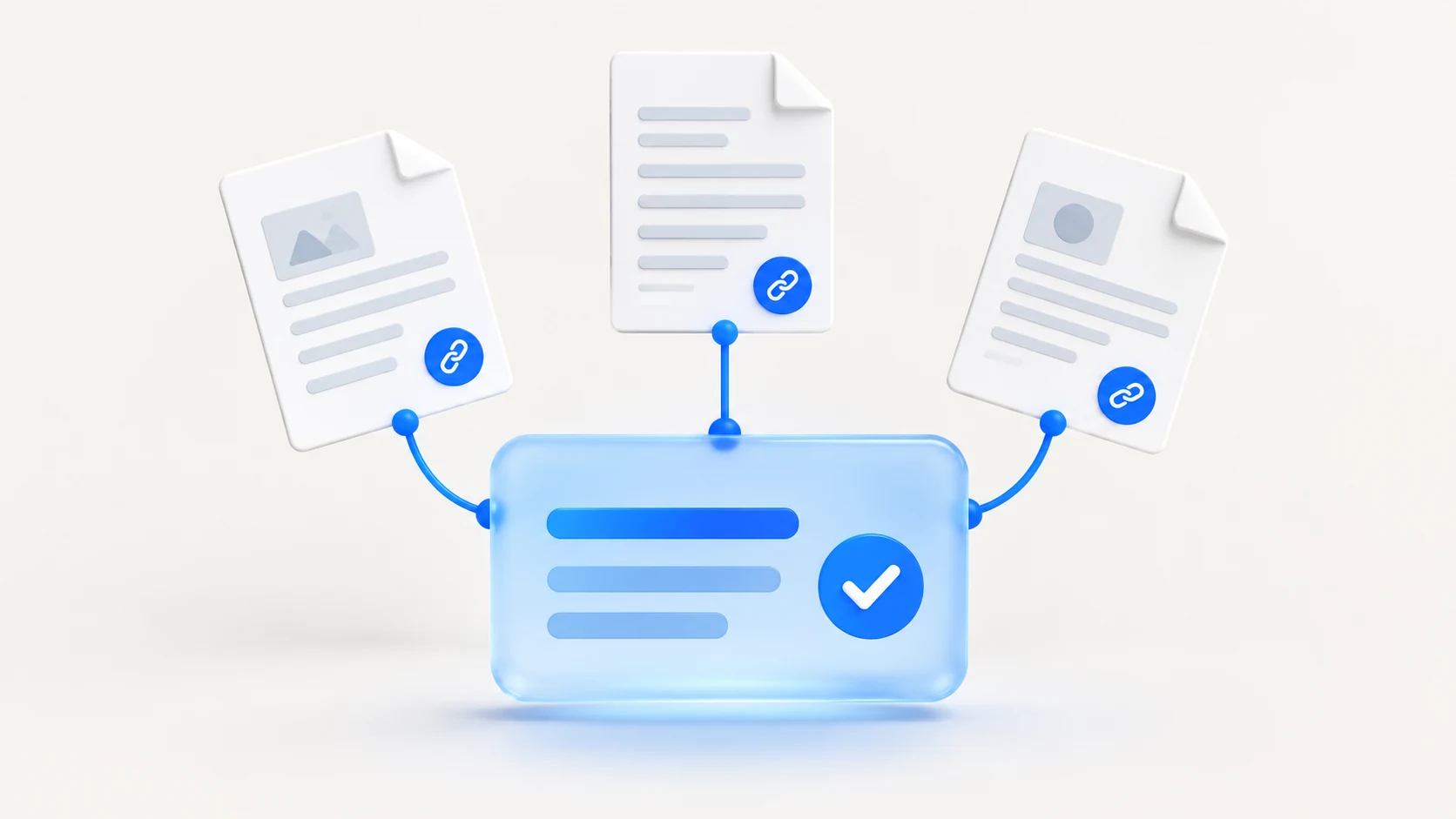
A worked acceptance test plan for an AI workflow pilot: normal requests, missing evidence, stale sources, access restrictions, uncertain actions, and outages.
Read the articleArrow AIAI pilots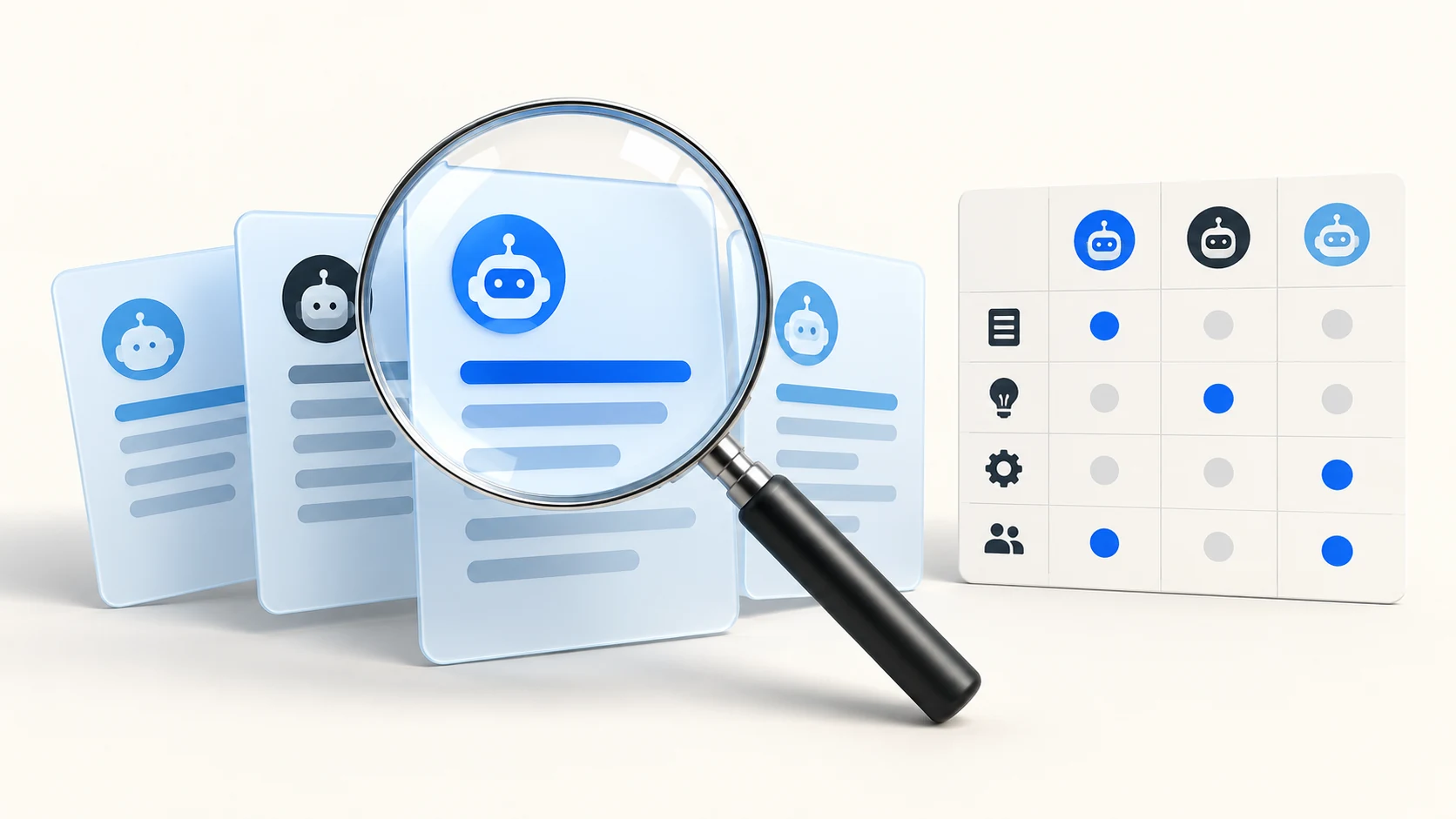
A worked measurement method for AI pilots that includes human review, corrections, rejected drafts, manual fallback, and operating overhead.
Read the articleArrow AIAI pilotsA practical AI pilot decision record that weighs acceptance results, review effort, operational ownership, unresolved failures, and the exact next scope.
Read the articleArrow AIAI pilotsAn operational AI handoff checklist with ownership, source maintenance, permissions, failure queues, recovery instructions, and a worked support example.
Read the articleNo articles match this search. Try fewer words or clear the filters.
Related collections

Which business tasks should I automate with AI?
Explore the collection
How do I automate lead qualification and CRM follow-up?
Explore the collectionHow do I track whether AI recommends my business?
Explore the collectionFrom insight to action
See how your website supports AI discovery. Find the questions and pages worth improving first.