 Arrow
Arrow 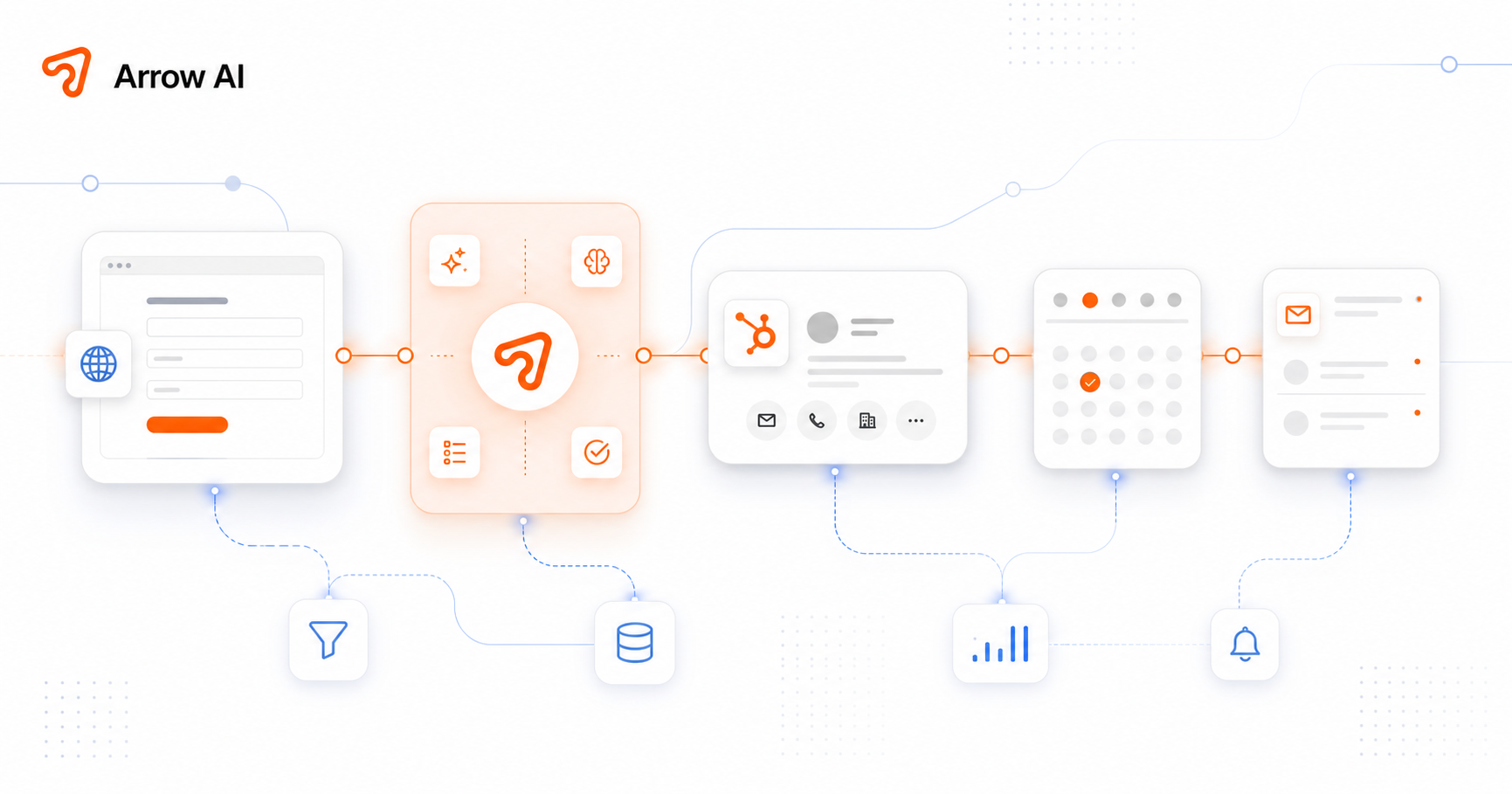
AI DM automation should not be a chatbot that tries to close every conversation. It should be an intake layer: classify the message, ask only the questions needed, capture the buyer context, route serious demand, update the CRM, and hand off to a human before the conversation becomes delicate.
Why DMs need a system
Most companies treat direct messages as a notification problem. Someone checks Instagram, LinkedIn, website chat, WhatsApp, or a support inbox when there is time. That works until the channel starts producing real demand. Then speed, consistency, and follow-up become a revenue problem.
A qualified buyer does not care which team owns the inbox. They want to know whether the offer fits them, what the next step is, and whether the company feels responsive. If the reply takes a day, asks questions they already answered, or disappears after the first exchange, the lead quality is not the problem. The system is.
AI helps when it is connected to operations. The goal is not to make every DM sound like a human. The goal is to remove the dead time between message, qualification, routing, CRM record, and follow-up while keeping the brand voice controlled.
What to build
A production DM system needs more than a reply generator. It needs a small operating layer around the conversation, with rules for what the AI can do, what it can ask, what it must never promise, and when it should escalate.
1. Intent classification
The system separates new leads, existing customers, partnerships, hiring, spam, support, complaints, and unclear messages. Each path gets a different response policy and a different destination.
2. Qualification prompts
The AI asks for the missing fields that matter: company, use case, timeline, budget range, location, role, preferred contact method, or technical context. It should ask fewer questions when intent is already obvious.
3. CRM and source tracking
Every serious conversation should create or update a CRM record with source, channel, message summary, lead score, owner, and next action. Otherwise the DM channel stays invisible to sales and leadership.
4. Follow-up logic
The system should know when to nudge, when to stop, and when to change channel. A DM can become an email, calendar link, quote request, onboarding form, or internal task when the buyer is ready.
This is the same logic behind an AI lead intake system, but adapted for conversational channels where messages arrive messier, shorter, and with more implied context.
Human handoff is the product quality
The fastest way to make DM automation feel low-quality is to let AI keep talking after the stakes increase. Pricing objections, legal questions, complaints, medical or financial advice, enterprise procurement, and emotional support should move to a person or a tightly approved workflow.
The handoff should feel natural to the buyer and useful to the team. A good handoff includes the conversation summary, the buyer's stated goal, missing information, urgency, recommended next step, and the exact reason the AI escalated.
For teams already investing in GEO, this matters even more. AI visibility creates more inbound conversations. The DM layer makes sure that visibility becomes captured demand instead of scattered notifications.
The Arrow read
Do not automate the channel. Automate the operating layer behind it.
Direct message automation only works when the reply is connected to the business system around it: CRM, calendar, owner assignment, lead scoring, analytics, and clear escalation. Arrow AI builds that layer through custom AI systems that match the company workflow instead of forcing every buyer into a generic bot path.