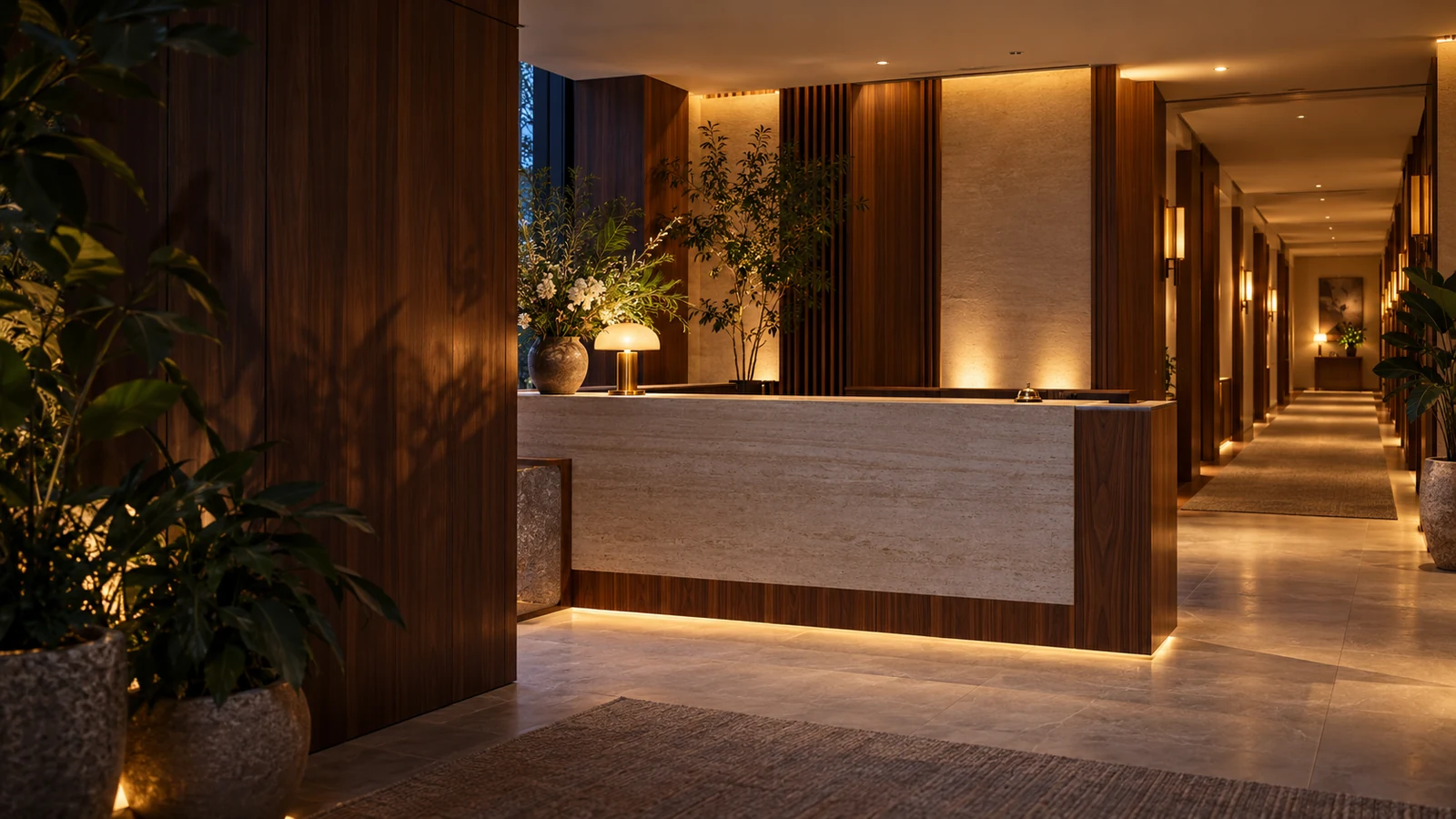
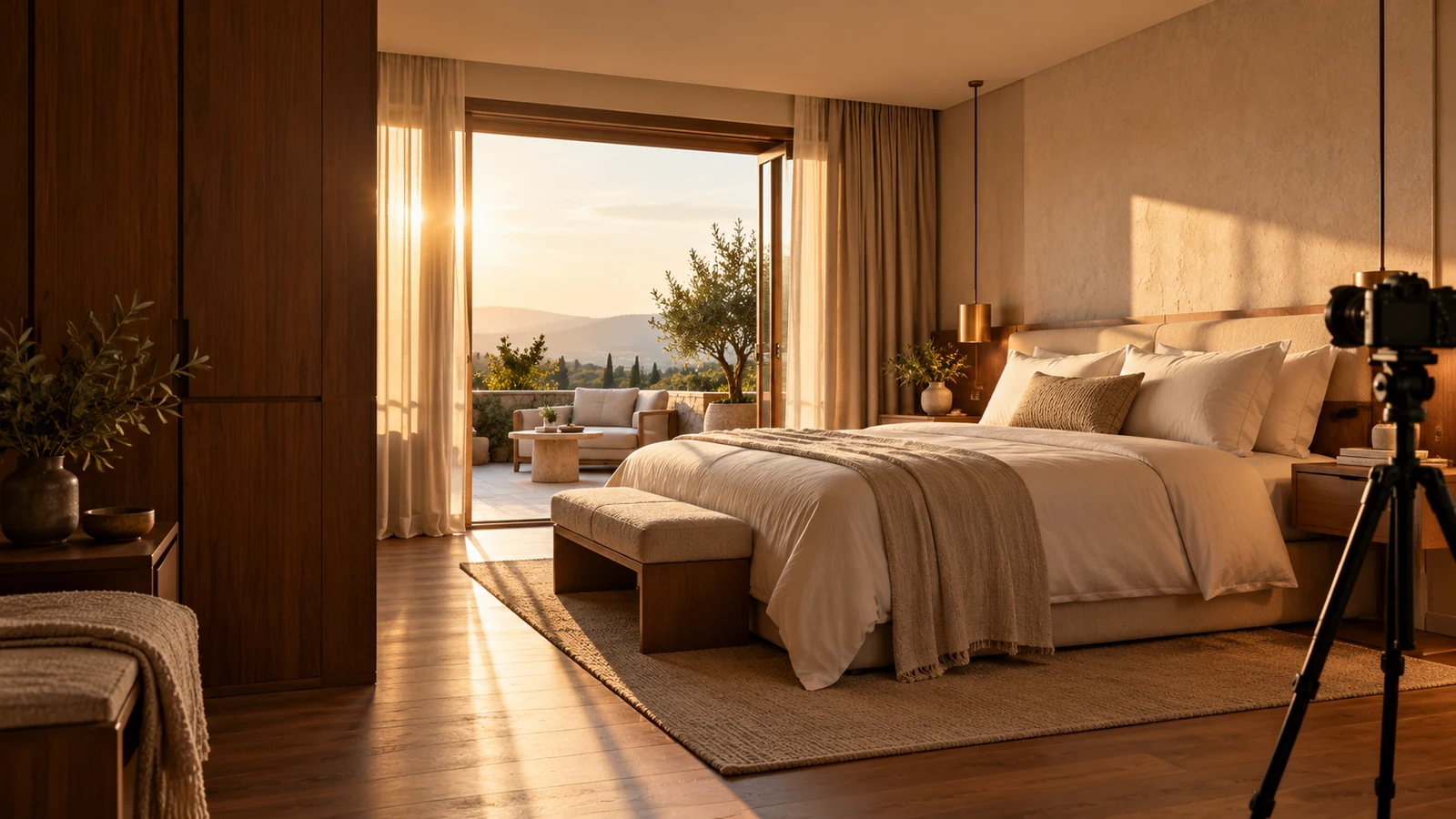
Explain the venue with real detail.
Structure verified capacities, layouts, facilities and location context into useful sources. Keep event descriptions aligned with what the property can actually offer.
Give planners the venue details they need. Give your sales team an inquiry they can work with. Join event discovery, qualification and reviewed proposal preparation in one coherent journey.
A planner compares layouts, location, room blocks and event requirements before your team can quote. Clear public information and structured intake help both sides reach a meaningful next conversation.
Structure verified capacities, layouts, facilities and location context into useful sources. Keep event descriptions aligned with what the property can actually offer.
Define the fields your team needs for each inquiry: dates, party size, setup, rooms and practical requirements. Separate a missing detail from an unsuitable request.
Scope routing, task creation and AI-assisted summaries or proposal drafts. Keep availability, pricing, terms and final commitments with the authorized team.
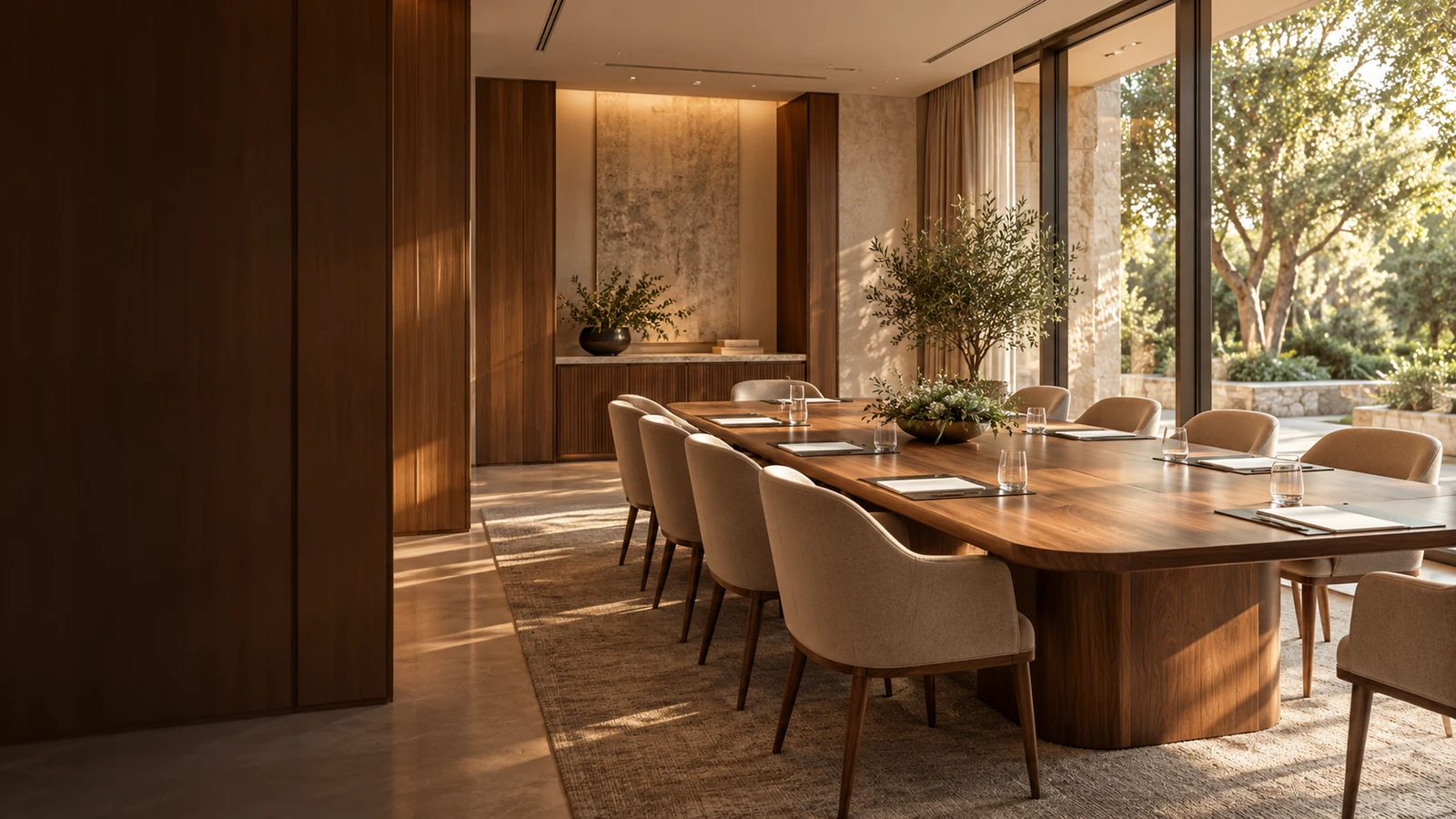
Every source needs an owner.
Every request needs a next step.
A planning example. The workflow is scoped around your hotel’s actual information and systems.
Verified room layouts, capacity by setup, facilities and practical venue information.
Capture date options, attendance, setup, rooms and required services in a structured brief.
The events team checks feasibility and approves the proposed scope.
A planning example. The workflow is scoped around your hotel’s actual information and systems.
Reviewed ceremony and reception information, event conditions and accommodation options.
Collect the event outline and planning context, then assign one responsible contact.
An authorized team member confirms availability, pricing and any commitment.
A planning example. The workflow is scoped around your hotel’s actual information and systems.
Published group-contact information and accurate property and room-type context.
Capture estimated room nights, date flexibility and the group’s requirements.
Group sales or revenue reviews inventory and prepares the commercial response.
A scoped project starts with a clear decision, the sources behind it and the team responsible for the outcome.
Explore 02 — AI Systems ↗Choose the event types that fit the property and identify the information a planner needs before contacting sales.
Build the useful venue answer and a matching intake route. Define required fields, duplicate handling and the owner of the next step.
Test incomplete briefs, overlapping rules, unavailable dates and failed delivery. Use drafts to support the team’s work while preserving approval of commercial terms.
Final deliverables, integrations and review responsibilities are agreed for your project.
The connected workflow can prepare context, organize the request and route work through the agreed stack. Your authorized team confirms event feasibility, room inventory, pricing and terms. The build scope defines which records and systems can be connected.
Read the hotel groups and events workflow guide ↗The workflow can be scoped to organize information and prepare drafts. Event feasibility, rates, terms and booking commitments require approval from your authorized team.
Start with the information your team needs to assess the request: date options, attendance, setup, room needs and required services. Add property-specific fields only when they support a real decision.
A multi-property routing workflow can be scoped around explicit rules, responsible owners and fallback handling. The actual connections depend on your systems and permissions.
GEO work can make verified venue information and planner questions easier to inspect on public pages. Whether a source is selected or an inquiry converts must be measured separately.
The outlook examines guest journeys, direct demand and automation. Our group-sales angle applies those themes to the practical work between a venue question and a reviewed response. Mews’ 2026 hospitality outlook ↗
Selected from qualitative industry research and gaps in the existing Arrow journey. No Arrow traffic growth or hotel performance increase is claimed here.
From the question that finds you to the booking path you own.
Explore the approach ↗A helpful answer carries the property’s context with it.
Explore the approach ↗One property story. A working campaign system.
Explore the approach ↗Start with what guests can find today. Then scope the sources, creative or workflow that would make their next step more useful.