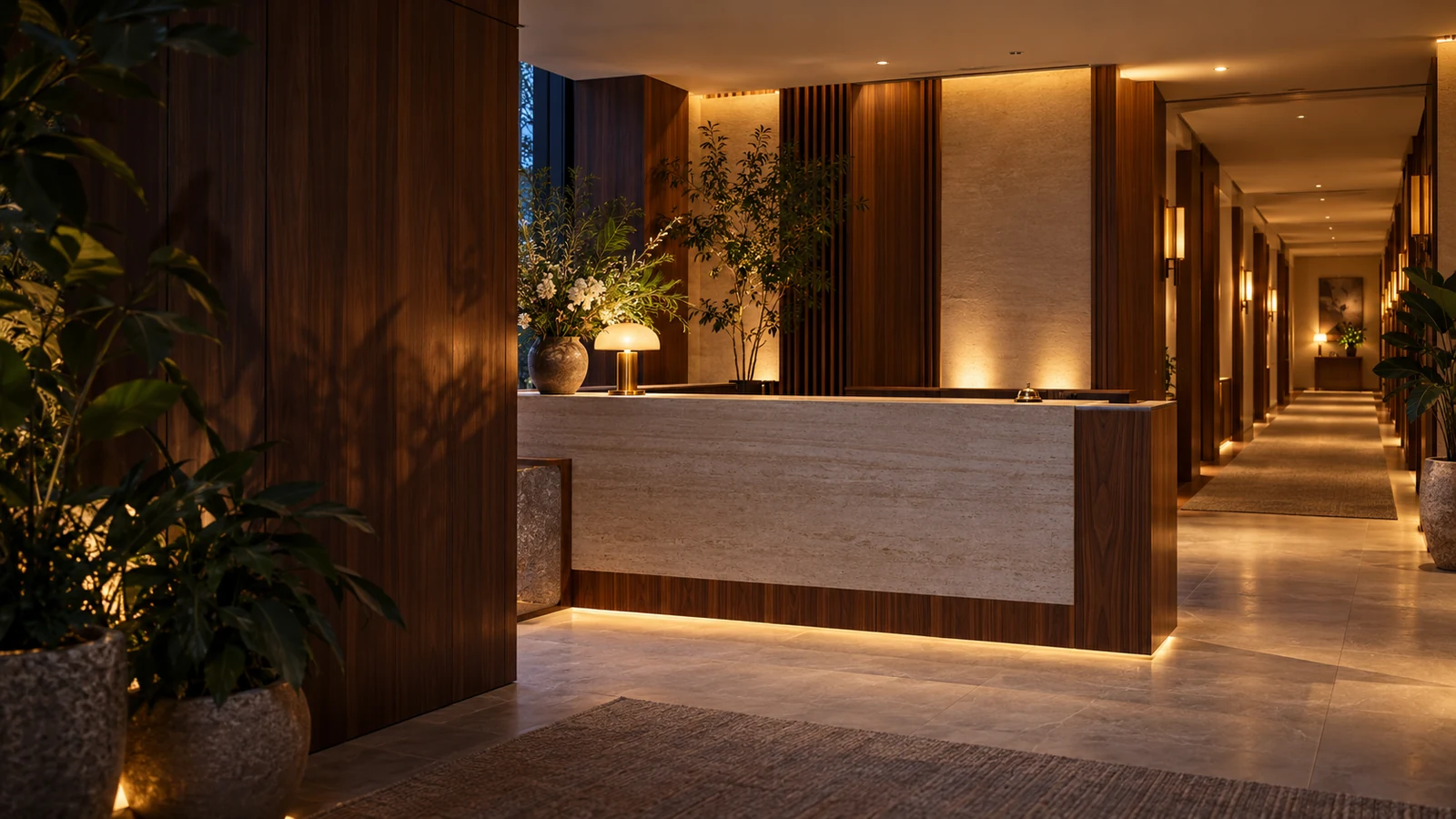
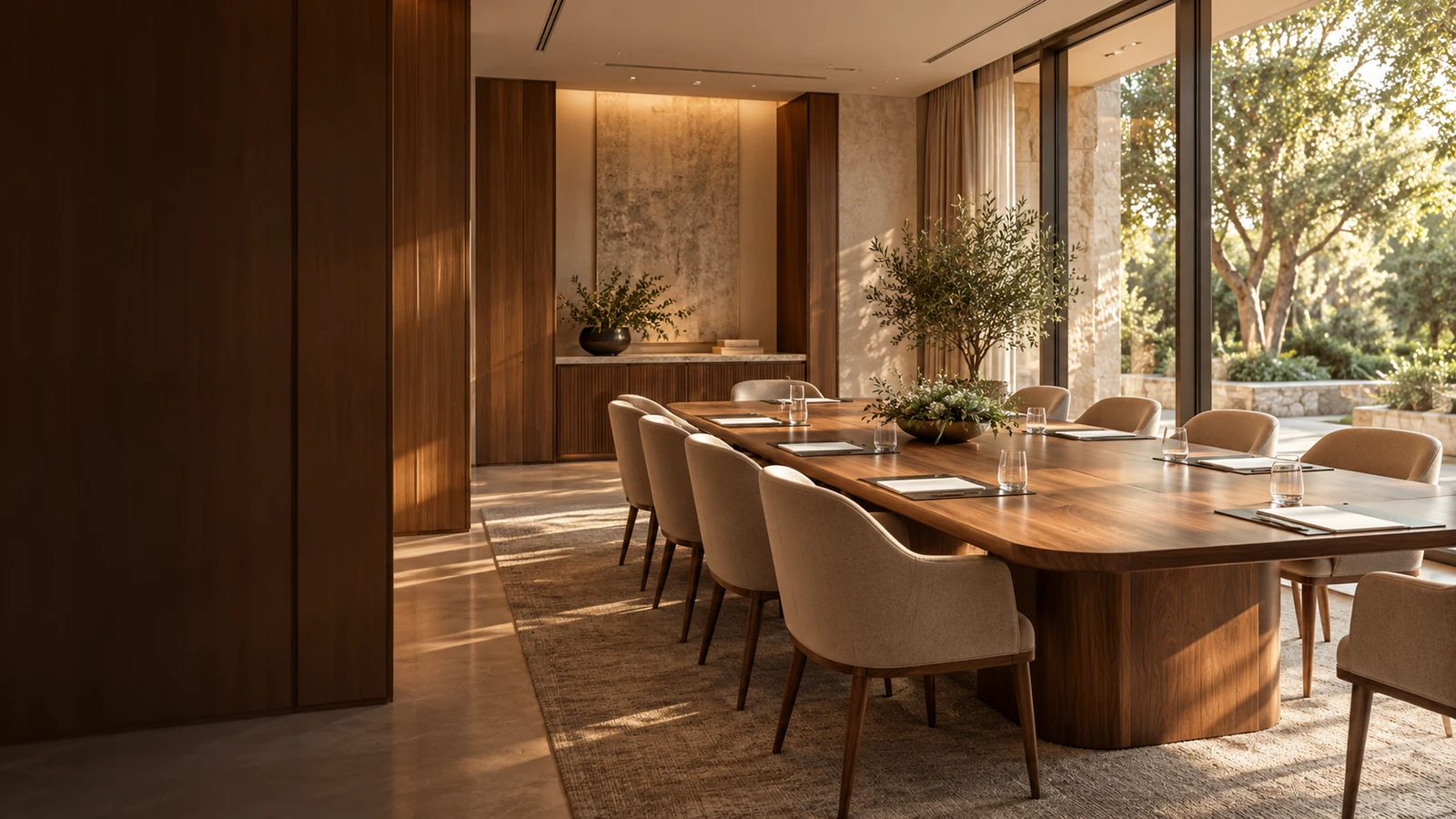
Build from the property’s actual story.
Organize approved photography, room facts, offer conditions and brand direction into a usable creative brief. Keep the distinction between actual property imagery and generated concepts clear.
Turn what makes the property distinctive into a consistent set of campaign assets, room stories and useful answers. Build a production rhythm around real hotel details and an approved creative direction.
A room page, a seasonal offer and a social campaign should feel like the same hotel. Clear inputs and a shared review process help the team produce the next asset with purpose.
Organize approved photography, room facts, offer conditions and brand direction into a usable creative brief. Keep the distinction between actual property imagery and generated concepts clear.
Scope the formats the campaign needs: website copy, paid creative, social assets or short-form video. Adapt the message and format to the destination rather than repeating one image everywhere.
Define asset ownership, approvals and version control. Review room representation, offer accuracy, rights and publishing requirements before a campaign goes live.
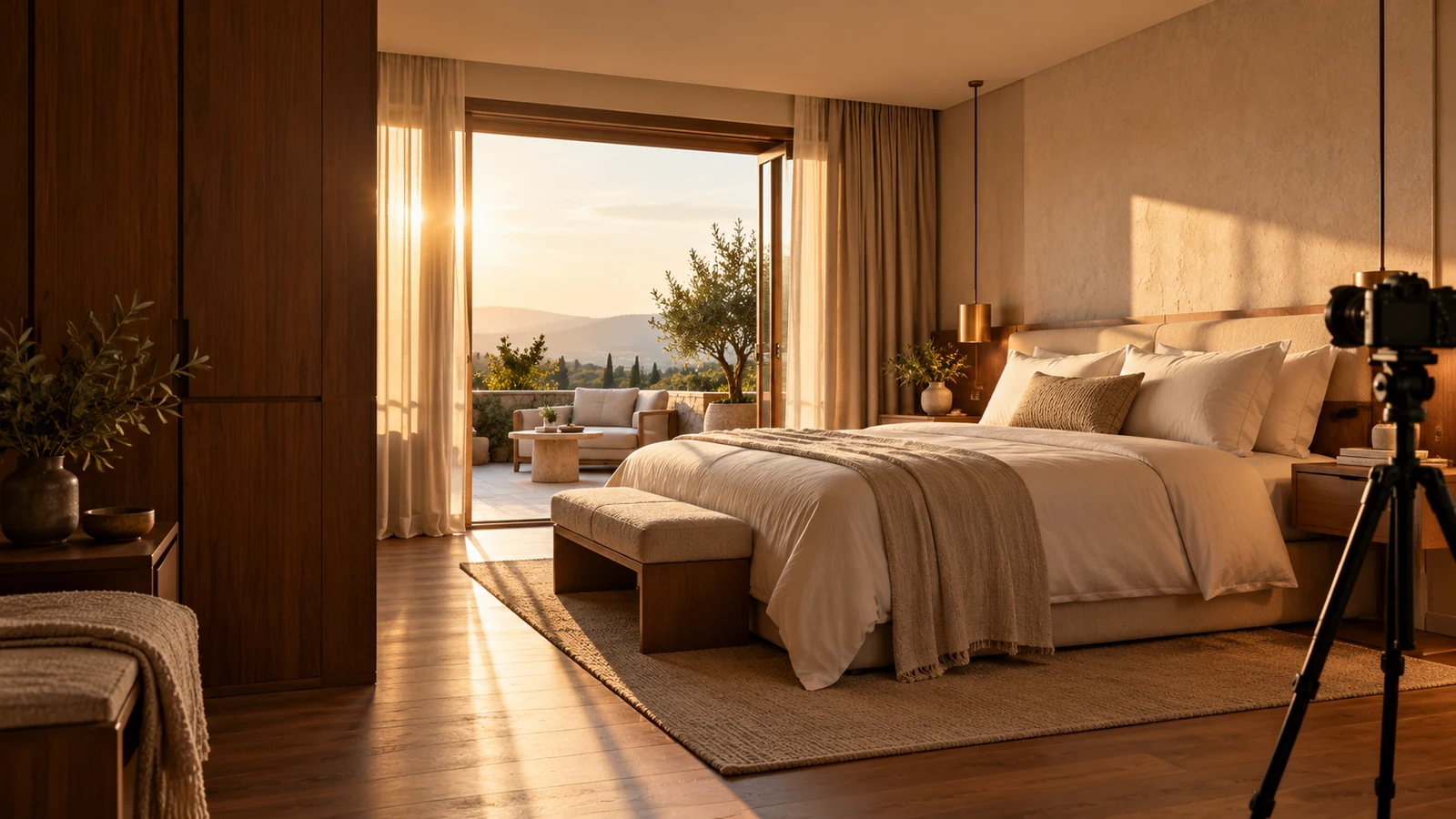
Every source needs an owner.
Every request needs a next step.
A planning example. The workflow is scoped around your hotel’s actual information and systems.
Approved room photography, accurate layout and amenity details, and the intended guest fit.
Prepare a room-page narrative and a coordinated set of launch assets for the agreed channels.
The property confirms representation and facts; the marketing owner approves the creative.
A planning example. The workflow is scoped around your hotel’s actual information and systems.
Verified inclusions, booking and stay periods, restrictions and approved visual assets.
Create a consistent message hierarchy and format-specific versions linked to the correct landing page.
Revenue confirms the offer conditions; marketing approves the final campaign.
A planning example. The workflow is scoped around your hotel’s actual information and systems.
Your actual campaign observations, approved brand direction and available property assets.
Prepare distinct creative hypotheses, controlled variants and a naming structure for review.
The campaign owner decides the test, publishing setup and interpretation of results.
A scoped project starts with a clear decision, the sources behind it and the team responsible for the outcome.
Explore 03 — AI Studio ↗Define the audience, the page or offer it supports and the action you want to measure. Review the assets and facts already available.
Agree the creative route, formats, source materials and review responsibilities. Scope generation, adaptation or editing according to the real asset requirements.
Approve property representation and offer details before publishing. Use observed campaign results to choose the next iteration rather than treating output volume as success.
Final deliverables, integrations and review responsibilities are agreed for your project.
The workflow starts with usable source assets and clear ownership. Your content library, campaign destination and review process shape the build. AI-generated concepts should not be presented as photographs of a real room or facility that the property does not have.
Find the guest questions your content should answer ↗AI-assisted generation or editing can be scoped from approved source assets and a defined brief. The review must preserve truthful room and facility representation and distinguish generated concepts from actual property photographs.
The scope can include website copy, campaign concepts, social assets, paid creative or short-form video. Deliverables, formats and review rounds are agreed for the project.
No. Campaign performance depends on the audience, message, offer, distribution and booking journey. Use comparable observations and confirmed outcomes to assess a change.
AI Studio supports the campaign’s creative production. GEO addresses discoverable public sources, while AI Systems addresses scoped workflows and integrations. Shared facts and an agreed destination can connect the three offers.
The research describes a journey across discovery and booking channels. Our creative recommendation is to connect the property story and the destination throughout that journey. SiteMinder’s 2026 traveler research ↗
Selected from qualitative industry research and gaps in the existing Arrow journey. No Arrow traffic growth or hotel performance increase is claimed here.
From the question that finds you to the booking path you own.
Explore the approach ↗A helpful answer carries the property’s context with it.
Explore the approach ↗The room looks right. Now make the inquiry useful.
Explore the approach ↗Start with what guests can find today. Then scope the sources, creative or workflow that would make their next step more useful.