 Arrow

November 2026 AI news explained, including Claude Fable 5.2, ChatGPT, Gemini and AI search. Check release dates, sources and practical next steps.
Your November AI briefing: seven things to know now
This November 2026 AI news briefing covers three decisions: which assistant to test, which work to make repeatable, and how buyers discover your business in AI search. The seven sections below explain what was announced, where access is limited and what you can try next.
Updated November 10, 2026. The seven background sections cover September and October announcements. The November 9 Fable release is the latest update.
Latest update: Claude Fable 5.2
Anthropic released Claude Fable 5.2 on November 9 for demanding reasoning and long-running technical tasks. Its API documentation lists a one-million-token context window and standard rates of $8 per million input tokens and $40 per million output tokens. Anthropic recommends starting with Opus 5.5 for most coding and knowledge work.
What to try: run the same difficult task in Opus and Fable. Compare the evidence each uses, the corrections needed and total cost. See the Claude Fable 5.2 guide for the comparison, access and other Claude updates.
For platform changes and their implications for publishers, read the November AI search guides. For practical testing, use the AI search field guide or the local search check.
| Your decision | Read the update | Your next step |
|---|---|---|
| Build on your existing cloud | 1. OpenAI on Google Cloud | Check availability before planning a migration |
| Choose an assistant | 2. Gemini 4 Argon | Compare one familiar task in the plan you can access |
| Make work repeatable | 3. Portable Agent Skills | Map the procedure, tools and review step |
| Finish a visual asset | 4. AI image workflows | Check the first result, edit and final export |
| Help buyers verify your business | 5. Google AI source links | Inspect the cited page and its next step |
| Choose a page to improve | 6. Bing Topics Portfolio | Review a relevant source gap |
| Evaluate a model comparison | 7. Arrow's poster experiment | Inspect the brief, outputs and controlled revisions |
1. OpenAI and Google Cloud are bringing model choice closer to your existing stack
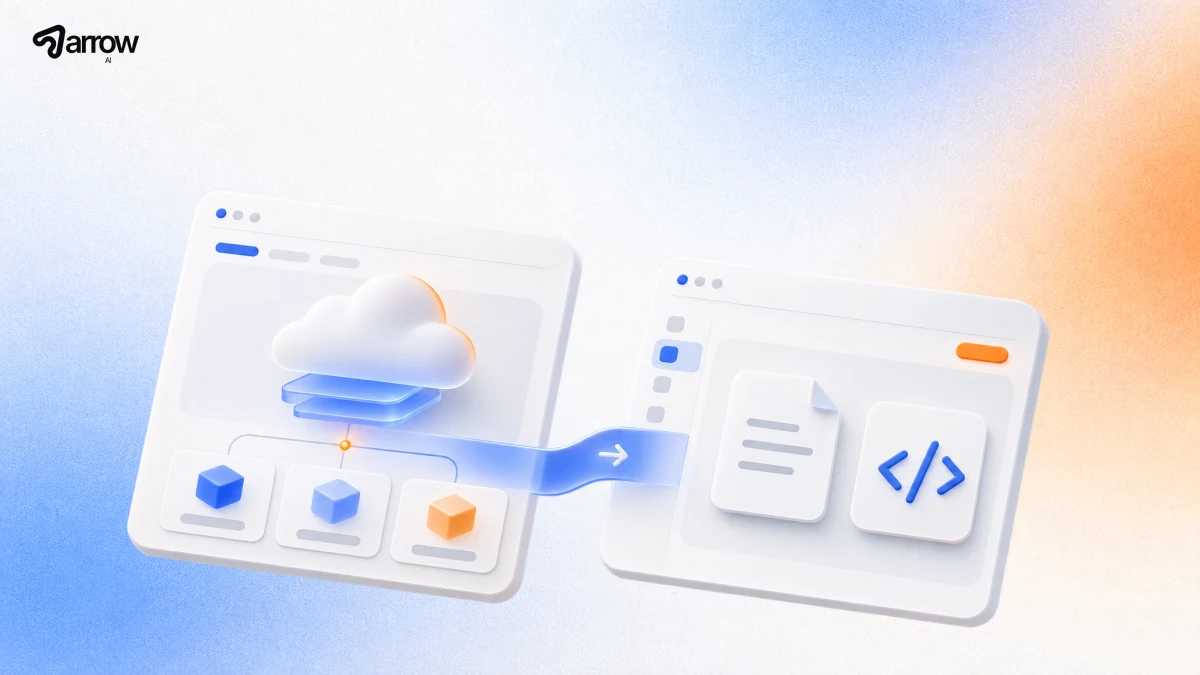
The October 21 OpenAI–Google Cloud announcement describes OpenAI frontier models and Codex workflows coming to Model Garden. For teams already building on Google Cloud, it creates another route to evaluate those capabilities within that environment.
The announcement described general availability as planned in the coming weeks. It does not establish that access is already enabled for every customer, and it does not merge the ChatGPT and Gemini consumer apps. Our OpenAI on Google Cloud explainer separates the product and infrastructure questions.
What to do: check availability, account conditions and the task you want to run before changing a working setup. Keep “announced” and “available to our account” as separate notes.
2. Gemini 4 Argon gives assistant comparisons a concrete reason to revisit the task
Google's October 13 announcement introduced Gemini 4 Argon in the Gemini app, including access for AI Pro and Ultra subscribers. That makes your actual account and intended workflow more useful starting points than an unexplained model leaderboard.
A writing assistant, a document-research workflow and a creative tool can require different checks. Use the same source material, instructions and revision request when comparing results. Keep the correction effort visible, alongside whether the output was useful.
What to do: choose one task you already understand and compare the outputs you can actually obtain. Our ChatGPT vs Claude vs Gemini guide provides a task-based comparison method; it does not declare a universal winner.
3. Agent Skills are becoming a portable layer for repeatable work
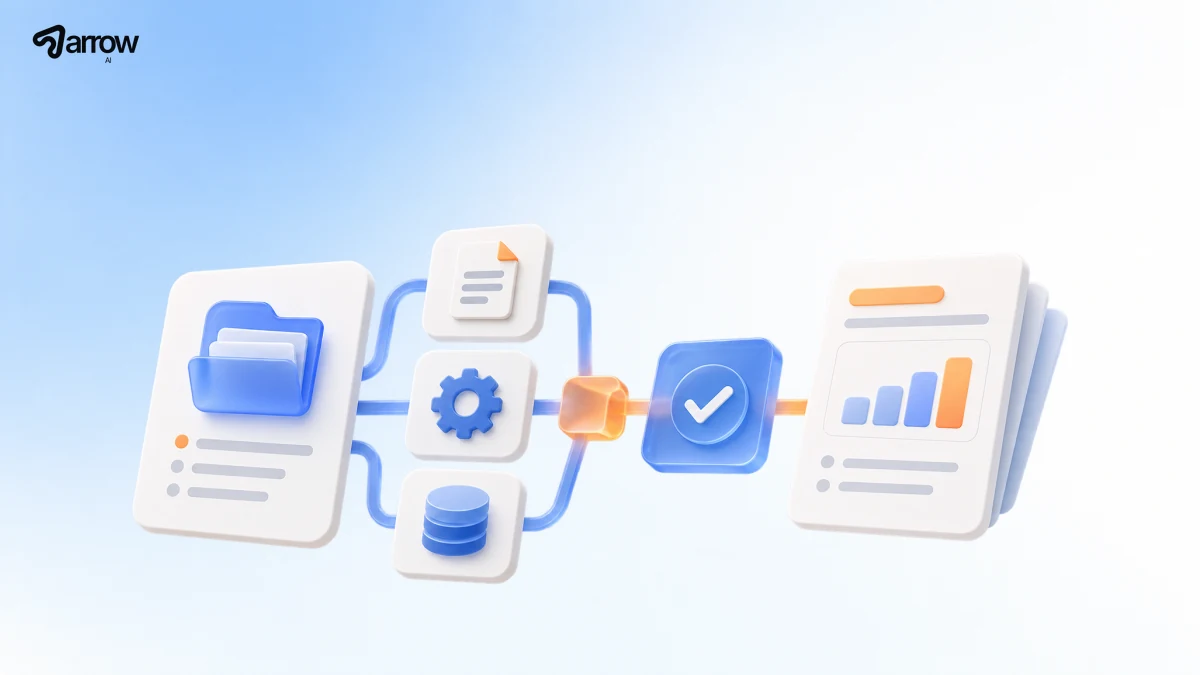
Anthropic announced on October 22 that it was donating Agent Skills to the Agentic AI Foundation. The standard packages specialized instructions, references and supporting material so an agent can follow a reusable procedure.
For a business team, the distinction is practical. A procedure can explain how to prepare a report. A connected tool supplies the ability to read a permitted source or create a file. Authorization determines which actions are appropriate. Sharing a skill does not automatically supply account access or approval to send the result.
What to do: map one repeatable workflow into input, procedure, tools, review and output. The agents, chatbots and skills guide explains those parts with a concrete example.
4. AI image generation deserves a full workflow test

OpenAI's September 8 ChatGPT Images 2.5 announcement emphasized fidelity, editing and creative iteration. Those are provider-described capabilities to evaluate in your own work, not a substitute for checking the final asset.
A useful test asks for a first composition, one specific edit and the formats you need to publish. Inspect the subject, the supplied copy, brand fidelity and the usable space around the main object. A wide cover and a square post have different composition constraints.
What to do: keep one approved brief and inspect the export after the revision. Use our ChatGPT Images, Gemini and Firefly guide to build a comparison around the asset you need to finish.
5. Google's AI answers are changing how readers encounter your sources
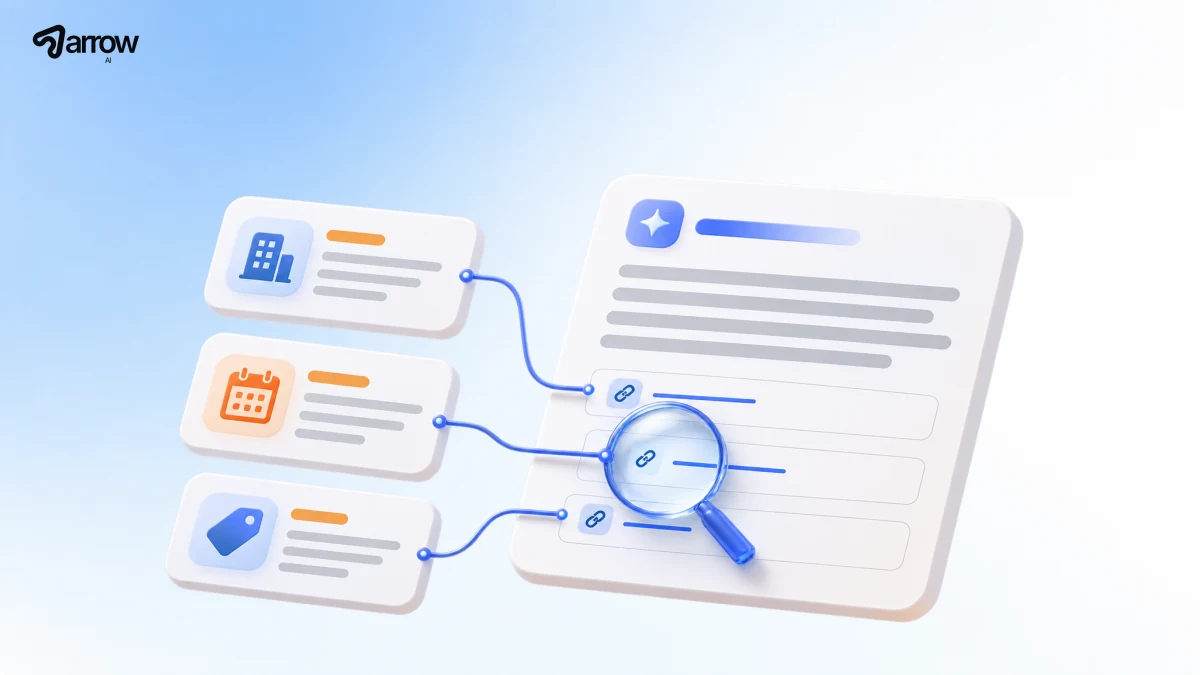
Google's October 15 AI search announcement described more prominent inline links and a test for highlighting official websites for certain tasks. The distinction between a rollout and a test matters when deciding what your team can actually observe.
For a business website, the useful response is a clear destination: current information, relevant conditions and a next step that answers the buyer's task. Record the interface and the cited URL when observing an AI answer. A source appearing in an answer does not establish that someone clicked or became a customer. Use this guide to verifying AI Overview citations to record the page Google links to and compare what it says with your Search Console report.
What to do: inspect the question, the source and the actual page before rewriting. Start with the October AI visibility review or the Google and Microsoft visibility collection.
6. Bing's Topics Portfolio can turn a vague visibility problem into a page decision
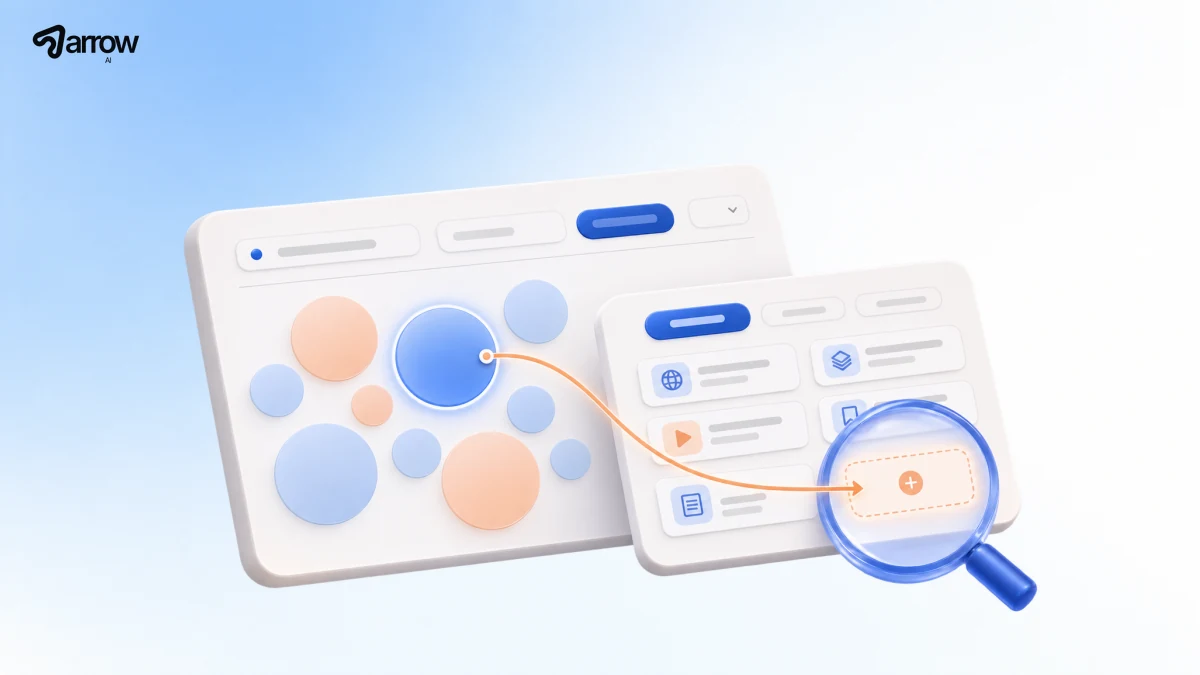
Microsoft introduced Topics Portfolio in beta on October 13. Inside Bing Webmaster Tools AI Performance, it groups activity into topics and surfaces opportunities where other sites appear and yours does not.
The feature depends on sufficient site activity. Its classifications and volumes are directional, and some opportunity queries may name another brand. Treat a suggested query as something to review for business fit and evidence, rather than an instruction to publish another page.
What to do: choose one relevant opportunity, inspect the destination that should answer it and record the reason for the change. If you have a Search Console export, the free AI Search Opportunity Finder offers a separate browser-local planning workflow. It does not measure live AI citations.
For your business: if AI visibility is your priority, request a free AI visibility audit to identify the next source-page improvement. Compare VIEW, ACT and WINGS when you are ready to choose a tracking and improvement scope.
7. The model test worth saving is the one you can inspect

A controlled task makes a comparison easier to understand than a viral screenshot. Arrow's ChatGPT, Claude and Gemini poster experiment preserves six captured SVG outputs: a first result and a controlled revision for each assistant, using a fictional brand and event.
That experiment concerns SVG poster outputs, not a ranking of raster image generators or every capability of the three platforms. Its value is the retained brief, the visible results and the ability to inspect what changed.
What to do: save the inputs, the first output, the revision instruction and the final artifact for a task that matters to you. Check the supplied facts and constraints before drawing a conclusion about which workflow to keep.
What should you actually try this month?
Choose the smallest test that changes a decision. An individual comparing assistants can use a familiar document. A creator can make an image and a controlled variation. A team exploring agents can map one workflow with an explicit review step. A business reviewing discovery can inspect a buyer question and the page cited in response.
| Your November test | Keep this evidence | Decide from the result |
|---|---|---|
| Compare two accessible assistants | Same brief, source and revision | Which workflow needs less correction for this task? |
| Produce a usable visual | Original, edit and final formats | Is the subject and supplied copy preserved? |
| Map an agent workflow | Inputs, authorized tools, review and output | Which step can be tested safely with a draft? |
| Review AI discovery | Exact question, answer, source and date | Which public page needs a defensible improvement? |
For each new announcement you encounter later in November, record its date, product surface, access conditions and original source. Update a decision when the evidence changes. This page's review date describes this edition; it does not promise continuous monitoring.
Turn the right idea into a working next step
Try it in your city. Run the interactive local AI search check to build three prompts for your business type and see what to fix after reviewing the answers.
Arrow AI connects public discovery, operational workflows and visual production through GEO, AI Systems and AI Studio. Start with the part of the workflow you need to improve, and keep the scope specific.
Explore the free tools for source consistency, customer questions, FAQ publishing, capacity and routing. For a business visibility baseline, request a free AI visibility audit. You can also inspect the France DPE source-to-request case, which separates public observations from results that have not been measured.
Sources and editorial scope
Reviewed November 10, 2026. November briefing updated after a substantive source review. Confirmed announcements retain their actual dates and access conditions. Provider claims are attributed; comparisons and workflow suggestions are Arrow AI editorial guidance, not hands-on benchmark results or guaranteed rankings. No future release is presented as an event that has already happened.
- Anthropic released Claude Fable 5.2 on November 9
- API documentation
- OpenAI–Google Cloud announcement
- Gemini 4 Argon in the Gemini app
- donating Agent Skills to the Agentic AI Foundation
- ChatGPT Images 2.5 announcement
- AI search announcement
- guide to verifying AI Overview citations
- Topics Portfolio in beta on October 13
Part of AI News — November 2026. Explore Arrow GEO or request a free audit to identify the next public-information gap.